Table of Content
(506 views)
Published:March 5, 2026 at 5:12 am
Last Updated:13 May 2026 , 10:54 am

Key Takeaways:
- Explore how Online Poker Software helps crypto casinos deliver faster transactions, provably fair gameplay, and borderless poker experiences using blockchain technology.
- Learn why White Label Poker Software is becoming the preferred choice for crypto casino operators looking to launch scalable poker platforms quickly and cost-effectively.
- Discover essential features like cryptocurrency wallet integration, smart contract automation, anti-collusion systems, RNG certification, and multi-table tournament support.
- Understand the importance of security, compliance, KYC/AML systems, and blockchain transparency for building trusted and legally compliant crypto poker platforms in 2026.
- Get insights into future trends including AI-powered poker systems, decentralized poker rooms, Web3 integration, and metaverse-ready crypto casino experiences.
Introduction
Crypto casinos are reshaping how poker is played, hosted, and monetized. Faster payments, borderless access, and transparent gameplay are no longer optional—they are expected. As a result, operators, private poker clubs, and social gaming hosts are increasingly turning to White Label Poker Software to power crypto-based poker experiences without building complex systems from scratch.
This guide explains how online poker software works in crypto casinos, what features matter most, how compliance is handled globally, and how operators can launch securely and profitably using modern poker platform technology.
What is Online Poker Software for Crypto Casinos?
Online poker software for crypto casinos is a digital poker platform designed to operate with cryptocurrencies instead of traditional fiat payments. It combines a multiplayer poker game engine, crypto wallet integration, security layers, and admin controls into a single system that supports decentralized and global poker operations.
How Crypto Poker Software Works
Crypto poker software runs on a backend poker engine while integrating blockchain-based wallets for deposits and withdrawals. Players fund accounts using cryptocurrencies, play poker in real time, and withdraw winnings directly to wallets. Many operators use a white label poker software platform to speed up deployment and reduce technical risk.
Difference Between Traditional Poker Software and Crypto Poker Software
Traditional poker software relies on banks and payment processors. Crypto poker software removes intermediaries, enabling instant settlements and global access. When paired with a white label online poker software solution, crypto casinos gain transparency, faster transactions, and lower operational friction.
Why Crypto Casinos are Adopting Online Poker Software
Crypto casinos are adopting online poker software to meet modern player expectations for speed, privacy, and fairness. Poker remains one of the most social and strategic casino games, and blockchain technology enhances its credibility and reach.
Growing Demand for Crypto-Based Gambling Platforms
Players increasingly prefer crypto gambling platforms due to lower fees, privacy, and global accessibility. Poker fits naturally into this ecosystem, especially for private clubs and social groups looking for borderless play using a poker software white label model.
Advantages of Blockchain and Cryptocurrencies in Poker
Blockchain enables transparent transactions, immutable records, and provably fair gameplay. Combined with turnkey poker software, operators can launch crypto poker rooms that are secure, auditable, and trusted by players worldwide.
Faster Transactions and Global Accessibility
Crypto payments settle in minutes, not days. This makes online poker attractive for international players and event-based poker communities. A ready-made poker software solution ensures smooth onboarding without banking delays.
Key Features of Online Poker Software for Crypto Casinos
Online poker software for crypto casinos must combine advanced gameplay mechanics with blockchain-based payments, transparency, and scalability. The right feature set ensures fair play, fast transactions, and a seamless player experience while giving operators full control over poker rooms, tournaments, and monetization models in a decentralized environment.
Cryptocurrency Wallet Integration (BTC, ETH, USDT, etc.)
Crypto poker platforms require native wallet integration to support seamless deposits and withdrawals. A robust system allows players to fund accounts using major cryptocurrencies while maintaining real-time balance updates and transaction transparency.
For operators, integrated wallets reduce reliance on third-party processors and enable faster settlements, lower transaction fees, and global accessibility without banking restrictions.
Provably Fair Gaming & Blockchain Transparency
Provably fair gaming allows players to independently verify game outcomes using cryptographic proofs. Each hand’s result can be checked against blockchain records, ensuring transparency and fairness.
This feature is especially important in crypto casinos, where trust is built through verifiable systems rather than intermediaries, strengthening player confidence and long-term engagement.
Smart Contract-Based Game Logic
Smart contracts automate poker rules, payouts, and settlement processes. Once deployed, they execute predefined logic without human intervention, reducing errors and manipulation risks.
For operators, smart contracts improve operational efficiency, ensure consistent rule enforcement, and enhance credibility by making gameplay logic transparent and tamper-resistant.
Multi-Table and Tournament Support
Advanced poker software supports multiple tables, buy-in levels, and tournament formats simultaneously. This includes cash games, Sit & Go tables, and scheduled or on-demand tournaments.
Multi-table functionality is essential for maintaining liquidity, accommodating different player skill levels, and hosting private or large-scale poker events within crypto casinos.
Secure RNG and Anti-Collusion Systems
A secure poker platform relies on certified Random Number Generators (RNGs) combined with anti-collusion and bot-detection systems. These mechanisms monitor gameplay patterns to identify unfair behavior.
Together, they ensure that every hand is random, unbiased, and protected against coordinated cheating—critical for maintaining platform integrity.
Cross-Platform Compatibility (Web & Mobile)
Modern players expect uninterrupted access across devices. Cross-platform compatibility ensures consistent gameplay on web browsers and mobile devices without performance loss.
This flexibility increases player retention, supports global access, and allows operators to scale their poker offerings across different user environments effortlessly.
Security and Fair Play in Crypto Poker Platforms
Security and fair play are foundational to crypto poker success. Players trust platforms that protect funds, data, and gameplay integrity. Crypto poker software must combine blockchain transparency with enterprise-grade security practices to create a safe and trustworthy environment for both players and operators.
Blockchain-Based Security Architecture
Blockchain-based security ensures immutable transaction records and tamper-resistant data handling. Each deposit, withdrawal, and game-related transaction is recorded transparently, reducing fraud risks.
When combined with encrypted servers and secure APIs, blockchain architecture creates a resilient infrastructure capable of withstanding cyber threats.
RNG Certification and Provably Fair Algorithms
Certified RNGs ensure unbiased card distribution, while provably fair algorithms allow players to verify outcomes independently.
This dual-layer approach reinforces fairness, supports regulatory acceptance, and aligns with the transparency expectations of crypto-focused poker communities.
Player Data Protection and Anonymity
Crypto poker platforms prioritize privacy by minimizing personal data exposure while maintaining secure authentication. Encrypted storage, tokenized identities, and GDPR-aligned practices protect sensitive information.
This balance between anonymity and compliance builds trust without compromising regulatory obligations.
Compliance and Legal Considerations for Crypto Poker Software
Compliance is a critical factor for crypto poker operations. While blockchain offers decentralization, operators must still adhere to regional gambling laws, financial regulations, and responsible gaming standards to ensure long-term platform sustainability.
Regulatory Challenges in Crypto Gambling
Crypto gambling regulations vary widely across jurisdictions. Some regions permit offshore operations, while others require strict licensing and reporting.
Poker software providers must design platforms flexible enough to adapt to different regulatory frameworks without disrupting core functionality.
KYC, AML, and Responsible Gaming in Crypto Casinos
Despite crypto’s pseudonymous nature, most platforms implement KYC and AML systems to prevent fraud and money laundering. Responsible gaming tools such as deposit limits and self-exclusion are also essential.
These measures protect players, support ethical operations, and enhance platform credibility in regulated and semi-regulated markets.
Offshore vs Regulated Crypto Poker Platforms
Offshore platforms offer greater operational flexibility and faster launches, while regulated platforms provide higher trust and long-term stability.
The choice depends on target markets, risk tolerance, and business goals. A flexible poker software solution allows operators to pivot between models as regulations evolve.
Cost of Developing Online Poker Software for Crypto Casinos
The cost of developing online poker software for crypto casinos varies widely based on development approach, blockchain complexity, security requirements, and long-term scalability. Operators must evaluate both upfront investment and ongoing operational costs to ensure sustainable profitability in a competitive crypto gambling market.
White Label vs Custom Crypto Poker Software Costs
White label crypto poker software offers a faster and more cost-efficient entry point, with pre-built game logic, wallet integrations, and security frameworks. Costs are significantly lower because the core platform is already developed and tested.
Custom crypto poker software, on the other hand, involves building everything from scratch—including smart contracts, wallet systems, and backend infrastructure. While more expensive, it provides full ownership, deeper customization, and unique differentiation for brands with long-term growth plans.
Development, Maintenance, and Blockchain Integration Costs
Development costs include frontend interfaces, backend servers, blockchain node integration, smart contracts, and RNG systems. Blockchain integration adds complexity due to wallet security, transaction validation, and gas fee optimization.
Ongoing maintenance costs cover server hosting, security patches, blockchain updates, smart contract audits, and feature upgrades. Crypto platforms require continuous monitoring to remain secure and compliant as blockchain ecosystems evolve.
ROI Potential for Crypto Casino Operators
Crypto poker platforms offer strong ROI potential due to lower transaction fees, global accessibility, and automated smart contract payouts. Operators benefit from faster fund circulation and reduced dependency on traditional payment processors.
When combined with tournaments, rake models, and VIP programs, crypto poker software can generate recurring revenue while scaling efficiently across international markets.
How to Choose the Best Online Poker Software for Crypto Casinos
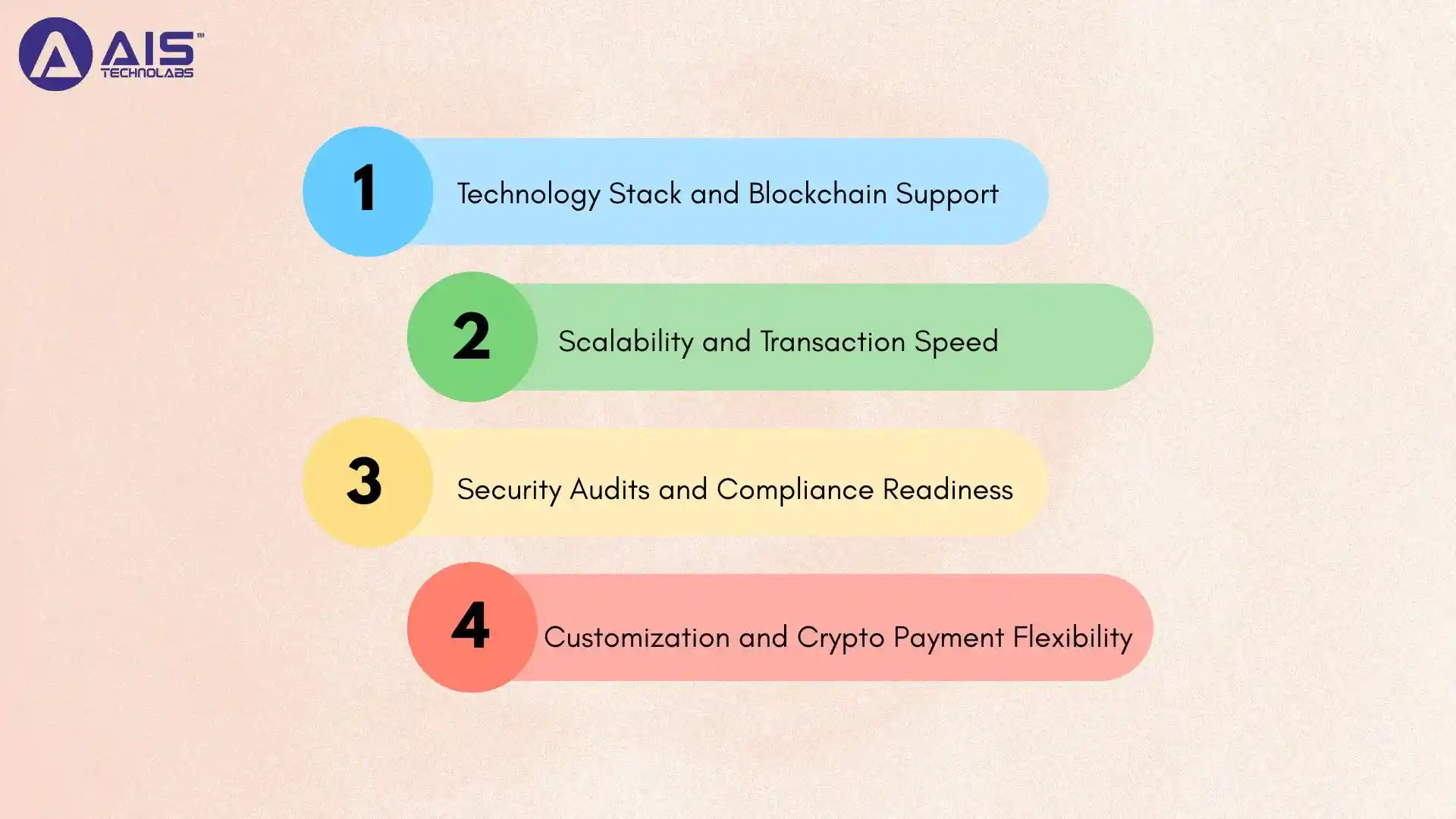
Choosing the right online poker software for a crypto casino is a strategic decision that impacts security, scalability, compliance, and user trust. Operators should prioritize platforms that balance advanced blockchain capabilities with proven poker mechanics and regulatory readiness.
Technology Stack and Blockchain Support
A strong technology stack ensures long-term stability and performance. Poker software should support major blockchains and be built using scalable backend frameworks with secure APIs.
Multi-chain compatibility allows operators to adapt to market demand, integrate new cryptocurrencies, and avoid dependency on a single blockchain network.
Scalability and Transaction Speed
Crypto poker platforms must handle high transaction volumes without delays. Scalability ensures smooth gameplay during peak traffic, tournaments, and promotional events.
Fast transaction confirmation, optimized gas fees, and efficient off-chain processing help maintain a seamless player experience while protecting platform performance.
Security Audits and Compliance Readiness
Independent security audits are essential for validating smart contracts, RNG systems, and wallet integrations. Audited platforms reduce risks related to exploits, fraud, and financial loss.
Compliance readiness—such as KYC, AML, and responsible gaming tools—ensures the platform can operate in both regulated and offshore markets without costly rework.
Customization and Crypto Payment Flexibility
The best poker software allows deep customization of UI, game formats, rake structures, and reward systems. Flexible crypto payment options—including multiple tokens and stablecoins—improve player acquisition and retention.
Customization also supports branding consistency and localized experiences across different regions.
Common Mistakes Crypto Casino Operators Should Avoid
Many crypto casino operators fail not due to lack of demand, but because of avoidable technical and strategic mistakes. Understanding these risks early helps operators protect investments, maintain player trust, and achieve long-term growth.
Ignoring Smart Contract Security Audits
Unverified smart contracts are one of the biggest risks in crypto poker platforms. Even minor vulnerabilities can lead to exploits, fund loss, and irreversible damage to reputation.
Regular audits and ongoing monitoring are essential to ensure smart contracts function exactly as intended under all conditions.
Poor Liquidity and Network Design
Poker platforms rely heavily on liquidity to keep tables active and players engaged. Poor network design or fragmented player pools result in empty tables and reduced retention.
A well-planned liquidity strategy—combining matchmaking logic, cross-table pools, and promotional incentives—is critical for platform success.
Overlooking Regulatory and Compliance Risks
Ignoring legal requirements can lead to blocked markets, frozen assets, or forced shutdowns. Crypto does not eliminate the need for compliance—it changes how it must be implemented.
Operators should plan for jurisdiction-specific regulations, responsible gaming features, and adaptable compliance frameworks from the start.
Future Trends in Online Poker Software for Crypto Casinos
Online poker software for crypto casinos is evolving rapidly, driven by blockchain innovation, AI automation, and Web3 adoption. Future-ready platforms are shifting from centralized systems to transparent, player-controlled ecosystems that emphasize fairness, scalability, and immersive digital experiences.
AI, Automation, and On-Chain Poker Platforms
AI is increasingly used to optimize matchmaking, detect fraud, and personalize player experiences. Automated systems analyze gameplay behavior to improve table balance, tournament structures, and player retention.
On-chain poker platforms are also emerging, where game outcomes, payouts, and hand histories are recorded directly on the blockchain. This model increases transparency, reduces trust dependencies, and strengthens the credibility of white label poker software platforms.
Decentralized Poker Rooms and DAO Models
Decentralized poker rooms remove centralized control by allowing players to interact directly through smart contracts. In DAO-based models, players can vote on rake structures, tournament formats, and platform upgrades.
This shift empowers communities, improves trust, and aligns incentives between operators and players—making decentralized poker a growing trend in crypto-first gaming ecosystems.
Integration with Web3 and Metaverse Casinos
Poker software is increasingly being integrated into Web3 ecosystems, including NFT-based identities, tokenized rewards, and metaverse casinos. Players can access poker rooms using decentralized wallets and carry assets across platforms.
Metaverse integration introduces immersive poker environments, social interaction, and virtual events, positioning crypto poker as a key component of next-generation digital entertainment.
Why Choosing the Right Poker Software Partner Matters
Selecting the right poker software partner directly impacts platform security, scalability, compliance readiness, and long-term profitability. For crypto casinos, the partner must understand both poker mechanics and blockchain infrastructure to deliver a reliable and future-proof solution.
Long-Term Platform Stability and Security
A reliable partner builds poker platforms with proven architectures, audited smart contracts, and scalable infrastructure. Long-term stability ensures consistent uptime, secure fund management, and uninterrupted gameplay.
Security-first development protects operators from exploits, data breaches, and reputational damage—critical in trust-sensitive crypto gambling environments.
Ongoing Blockchain Upgrades and Support
Blockchain ecosystems evolve quickly. A strong software partner provides continuous updates to support new tokens, protocol upgrades, and security standards.
Ongoing support ensures compatibility with emerging wallets, improved transaction efficiency, and compliance with changing regulatory expectations across regions.
Strategic Growth for Crypto Casino Operators
Beyond technology, the right partner supports strategic growth through feature expansion, liquidity optimization, and market adaptability.
From launching tournaments to scaling across jurisdictions, a capable partner enables operators to grow faster while minimizing technical and operational risks.
Final Thoughts: Is Online Poker Software Right for Your Crypto Casino?
Online poker software enables crypto casinos to deliver secure, transparent, and globally accessible poker experiences. When combined with White Label Poker Software, operators gain speed, scalability, and reduced risk.
If your goal is to launch or expand a crypto poker offering efficiently, the right technology partner makes all the difference. Companies like AIS Technolabs provide enterprise-grade poker solutions designed for modern crypto casinos. To explore your options, contact us for expert guidance.
Disclaimer:
This blog is intended for informational and educational purposes only. We do not promote or facilitate gambling activities in any country where it is considered illegal. Our content is focused solely on providing knowledge about legal and regulated markets. We only work with operators and platforms that are licensed and comply with the laws of jurisdictions where casino gaming is permitted. We do not operate or endorse any form of gambling in restricted regions. In countries where only skill-based games are allowed, our involvement is strictly limited to those games.
We believe gambling should be an entertaining and responsible activity. Our goal is to ensure that the platforms we review uphold the highest standards of fairness, transparency, and player safety.
Launch Your Crypto Poker Platform
FAQs
Ans.
Online poker software for crypto casinos is a digital platform that enables poker gameplay using cryptocurrencies for deposits, wagers, and payouts. It combines traditional poker mechanics with blockchain technology, offering transparency, faster transactions, and global accessibility for players and operators.
Ans.
Crypto poker software legality depends on jurisdiction. Some regions allow crypto gambling under regulated frameworks, while others operate through offshore licensing. Operators must assess local laws, licensing requirements, and compliance obligations before launching a crypto poker platform.
Ans.
Crypto poker platforms ensure fair play using RNG-certified algorithms, provably fair systems, and blockchain transparency. Game outcomes and transactions can be verified on-chain, reducing manipulation risks and increasing player trust in the platform.
Ans.
Launching a crypto poker platform typically takes a few weeks with a white label poker software solution, depending on customization and compliance needs. Custom-built platforms require significantly longer development timelines due to smart contract creation and testing.
Ans.
Most modern poker software supports major cryptocurrencies such as Bitcoin (BTC), Ethereum (ETH), and stablecoins like USDT. Advanced platforms also allow multi-chain support, enabling operators to add new tokens based on player demand.

Mary Smith
Mary Smith excels in crafting technical and non-technical content, demonstrating precision and clarity. With careful attention to detail and a love for clear communication, she skillfully handles difficult topics, making them into interesting stories. Mary's versatility and expertise shine through her ability to produce compelling content across various domains, ensuring impactful storytelling that resonates with diverse audiences.
 ASIA PACIFIC