Table of Content
(503 views)
Published:February 17, 2026 at 9:05 am
Last Updated:12 May 2026 , 1:27 pm

Key Takeaways:
- Selecting the wrong white-label provider can delay launch, increase costs, and limit growth potential.
- Common mistakes include ignoring licensing credentials, software reliability, and payment integration options.
- Failing to assess regulatory compliance, KYC/AML tools, and responsible gaming features can create legal risks.
- Overlooking customization, branding flexibility, and game portfolio quality can hurt player retention.
- Not factoring in marketing support, ongoing updates, and technical support can affect operational efficiency.
- Careful research and a structured evaluation help ensure your white-label casino platform is secure, scalable, and profitable.
Introduction
Choosing the wrong technology partner is one of the fastest ways to derail an online casino project. While White Label Casino Software allows operators to launch quickly and reduce development risk, not all providers deliver the same level of reliability, compliance, or long-term value.
In a global iGaming market shaped by strict regulations, rising security expectations, and intense competition, avoiding common selection mistakes is critical for business owners, investors, operators, and gaming startups planning sustainable growth.
Understanding White Label Casino Providers
White label casino providers offer ready-made platforms that enable operators to launch branded online casinos without building technology from scratch. Understanding how these providers operate is the first step toward making an informed decision.
What Is a White Label Casino Provider and How It Operates
A white label casino provider delivers a complete white label casino platform, including games, payments, security systems, compliance tools, and backend management. Operators receive a fully functional casino under their own brand while the provider manages infrastructure, software updates, and technical operations.
This model allows businesses to use white label online casino software or ready-made casino software to enter the market faster and with lower upfront investment.
The Role of White Label Solutions in the Online Gambling Industry
White label solutions power a large portion of the global iGaming ecosystem. They support international casino operators, emerging markets, and regional platforms by offering scalable, region-agnostic casino software solutions.
From turnkey casino software to advanced player management systems, these platforms enable faster launches while maintaining regulatory readiness across jurisdictions.
Why Choosing the Right White Label Casino Provider Is Critical
The provider you choose directly impacts platform security, regulatory approval, player trust, and long-term profitability. A poor decision can create hidden risks that surface only after launch.
How Provider Selection Impacts Licensing, Compliance, and Trust
A reliable online casino platform provider ensures alignment with online gambling regulations, gaming license requirements, and casino software compliance standards. This includes built-in KYC and AML integration, GDPR compliance, and fair play certification.
When these elements are missing or poorly implemented, operators face licensing delays, fines, or reputational damage.
Long-Term Business Risks of Choosing the Wrong Provider
Choosing the wrong provider can result in unstable performance, security vulnerabilities, limited scalability, and poor user experience. Over time, these issues reduce casino software ROI, limit market expansion, and increase operational costs.
Common Mistakes to Avoid When Choosing a White Label Casino Provider
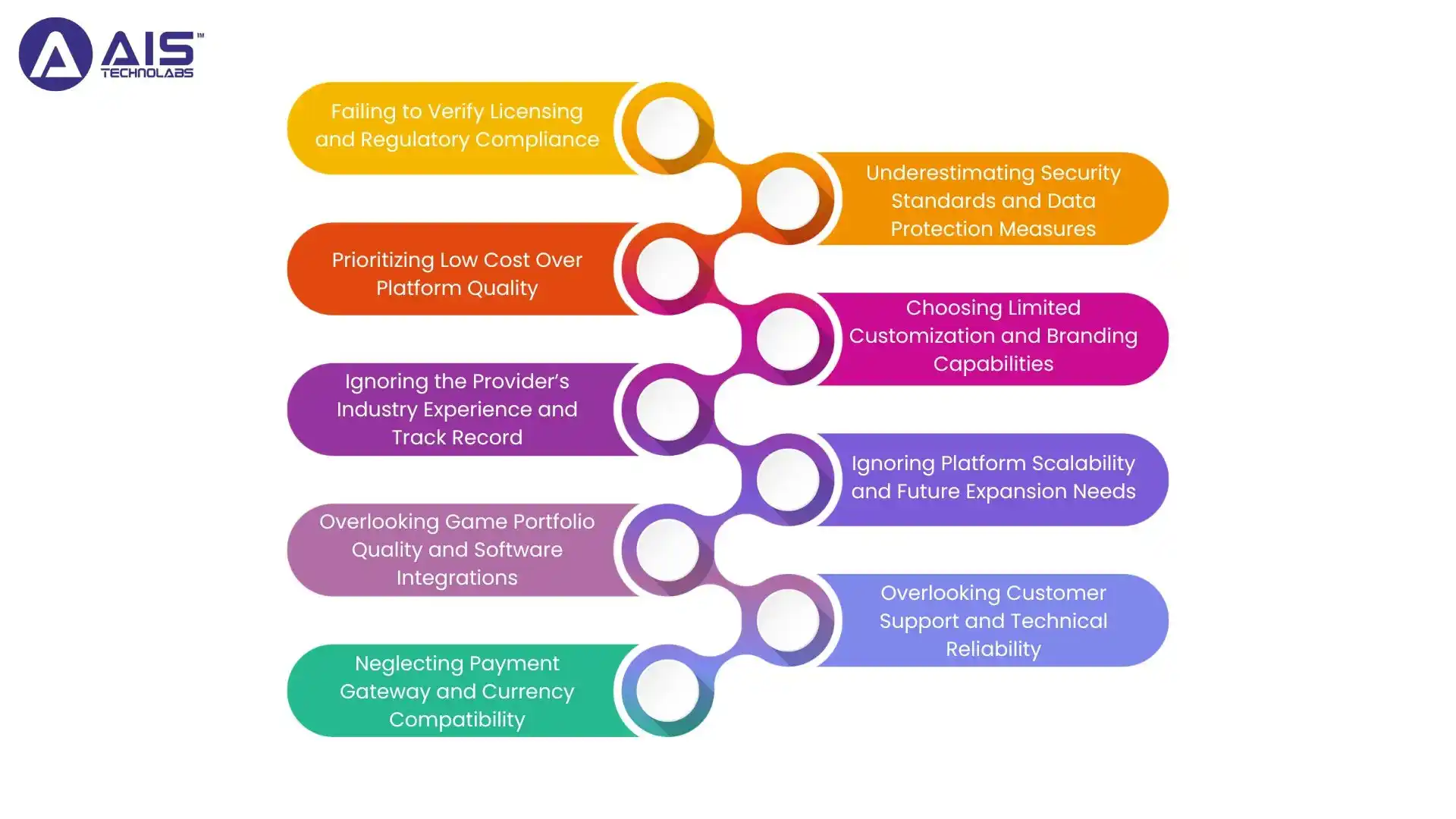
This section highlights the most frequent and costly mistakes operators make when selecting a white label partner.
Failing to Verify Licensing and Regulatory Compliance
One of the most critical mistakes is assuming compliance is automatic. White label gambling software must support jurisdiction-specific licensing, reporting standards, and responsible gaming frameworks.
Operators should verify whether the platform supports regulatory audits, real-time reporting, and compliance updates.
Prioritizing Low Cost Over Platform Quality
Low upfront pricing often hides long-term expenses such as high casino software maintenance costs, limited features, or restrictive revenue sharing models. Evaluating the full white label casino software cost is essential before committing.
Ignoring the Provider’s Industry Experience and Track Record
Providers with limited experience may struggle with real-world challenges such as peak traffic handling, fraud prevention, and regulatory changes. Proven industry experience is a strong indicator of operational reliability.
Overlooking Game Portfolio Quality and Software Integrations
Reliable casino game integration ensures smooth gameplay, accurate payouts, and fair RNG outcomes. Poor integrations increase dispute risks and reduce player confidence.
Neglecting Payment Gateway and Currency Compatibility
Secure payment gateway integration, multi-currency support, and reliable withdrawal systems are essential for global operations. Limited payment options directly impact player acquisition and retention.
Underestimating Security Standards and Data Protection Measures
Casino security features such as encryption, fraud detection, access control, and secure hosting protect both operators and players. Weak security exposes platforms to data breaches and financial losses.
Choosing Limited Customization and Branding Capabilities
Operators need flexibility to tailor UI, UX, promotions, and regional content. Limited customization reduces brand differentiation and weakens competitive positioning.
Ignoring Platform Scalability and Future Expansion Needs
A scalable casino platform must handle growth in users, games, payment methods, and new regions without performance degradation.
Overlooking Customer Support and Technical Reliability
Lack of 24/7 support leads to extended downtime, unresolved payment issues, and poor player experience. Technical reliability is non-negotiable in live casino operations.
Key Factors to Evaluate Before Selecting a White Label Casino Provider
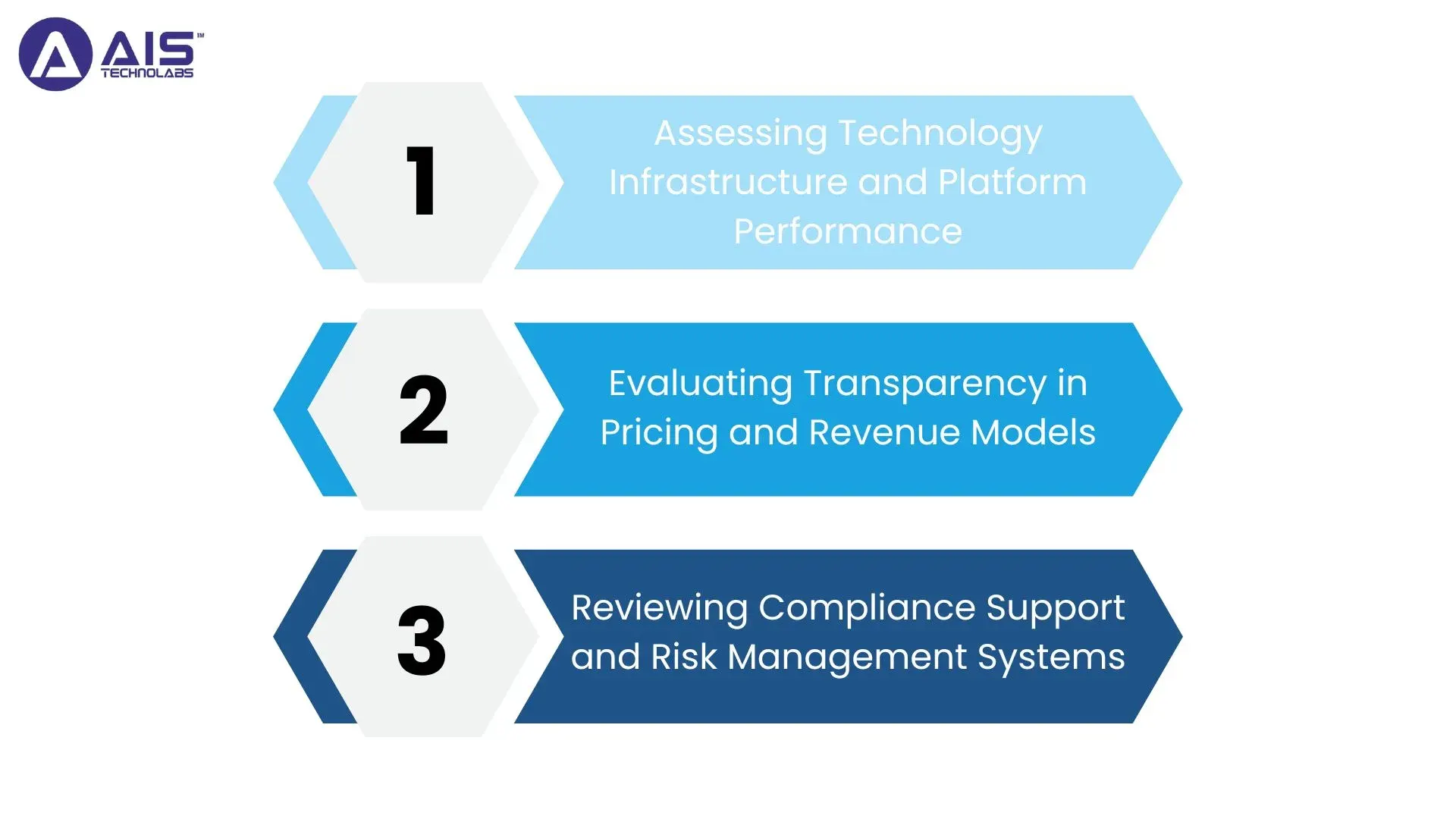
Evaluating providers through structured criteria helps avoid costly mistakes and supports long-term success.
Assessing Technology Infrastructure and Platform Performance
High-performance servers, load balancing, and real-time monitoring ensure stable operations. A modern casino admin dashboard and player management system allow efficient control and reporting.
Evaluating Transparency in Pricing and Revenue Models
Operators should clearly understand the white label casino pricing model, including setup cost for online casino deployment, monthly license fees, revenue sharing models, and upgrade costs.
Reviewing Compliance Support and Risk Management Systems
Strong compliance support includes built-in responsible gaming tools, audit assistance, and ongoing regulatory updates that adapt to global iGaming market changes.
How Experienced White Label Casino Providers Help Operators Avoid These Mistakes
Experienced providers embed best practices into every layer of the platform.
Proven Deployment Experience Across Multiple Jurisdictions
Providers with global deployment experience understand regional regulations, payment preferences, and operational challenges, making them suitable for international casino operators.
Ongoing Platform Updates, Compliance Assistance, and Support
Continuous updates ensure platforms stay secure, compliant, and competitive. This includes security patches, game expansions, and regulatory enhancements.
Expert Insights for Making the Right White Label Casino Provider Decision
Expert-led decision-making reduces operational risk and accelerates time to market.
Questions Every Operator Should Ask Before Signing a Contract
Operators should ask about licensing support, RNG certification, payment security, data protection policies, uptime guarantees, and post-launch technical support.
Warning Signs That Indicate an Unreliable White Label Provider
Vague compliance claims, lack of documentation, limited customization, outdated technology, and unclear pricing structures are strong warning signals.
Final Thoughts on Choosing a Reliable White Label Casino Provider
Avoiding common mistakes is essential for building a profitable and compliant online casino. The right White Label Casino Software enables operators to launch online casinos quickly while maintaining security, scalability, and regulatory readiness.
By partnering with an experienced provider like AIS Technolabs, businesses gain access to a proven iGaming business solution designed for long-term growth. If you are planning your next move in the casino business model, now is the time to contact us and evaluate your options carefully.
Disclaimer:
This blog is intended for informational and educational purposes only. We do not promote or facilitate gambling activities in any country where it is considered illegal. Our content is focused solely on providing knowledge about legal and regulated markets. We only work with operators and platforms that are licensed and comply with the laws of jurisdictions where casino gaming is permitted. We do not operate or endorse any form of gambling in restricted regions. In countries where only skill-based games are allowed, our involvement is strictly limited to those games.
We believe gambling should be an entertaining and responsible activity. Our goal is to ensure that the platforms we review uphold the highest standards of fairness, transparency, and player safety.
Build a Scalable and Compliant Casino Platform
FAQs
Ans.
White Label Casino Software is a ready-made casino platform that allows operators to launch branded online casinos with pre-integrated games, payments, and compliance tools.
Ans.
Yes. It reduces casino software development cost, speeds up launch timelines, and minimizes technical and regulatory risks.
Ans.
Common mistakes include ignoring compliance, focusing only on cost, overlooking security features, and choosing platforms with limited scalability.
Ans.
Costs vary based on setup fees, monthly license fees, revenue sharing models, and feature requirements.
Ans.
White label platforms offer faster launches and lower risk, while custom solutions provide full control but require higher investment and longer development time.

Mary Smith
Mary Smith excels in crafting technical and non-technical content, demonstrating precision and clarity. With careful attention to detail and a love for clear communication, she skillfully handles difficult topics, making them into interesting stories. Mary's versatility and expertise shine through her ability to produce compelling content across various domains, ensuring impactful storytelling that resonates with diverse audiences.
 ASIA PACIFIC