Table of Content
(509 views)
Published:November 24, 2025 at 9:32 am
Last Updated:24 Apr 2026 , 9:51 am
Introduction
To compete and grow in the iGaming industry, online casinos must provide players with a large selection of trending and engaging games. However, game variety alone is not enough for casino operators. Every casino game has an important factor that new and experienced players look at — the RTP (Return to Player) rate. RTP displays the proportion of the total wagered amount that players get back over time. Players are more positive about their odds of winning when their RTP is higher.
Operators can improve player trust by offering a more pleasant gaming experience through choosing game content with care and providing high-RTP titles. AIS Technolabs constantly underlines these objectives while providing solutions for the development and integration of casino games.
What Does RTP Mean in Gambling
Regardless of whether the game is played online or offline, return-to-player, or RTP, is a key statistic that demonstrates how much of the total cash wagered on the slot machine is given back to players as payments.
RTP, additionally referred to as player payout, displays an amount of winning wagers compared to all bets.
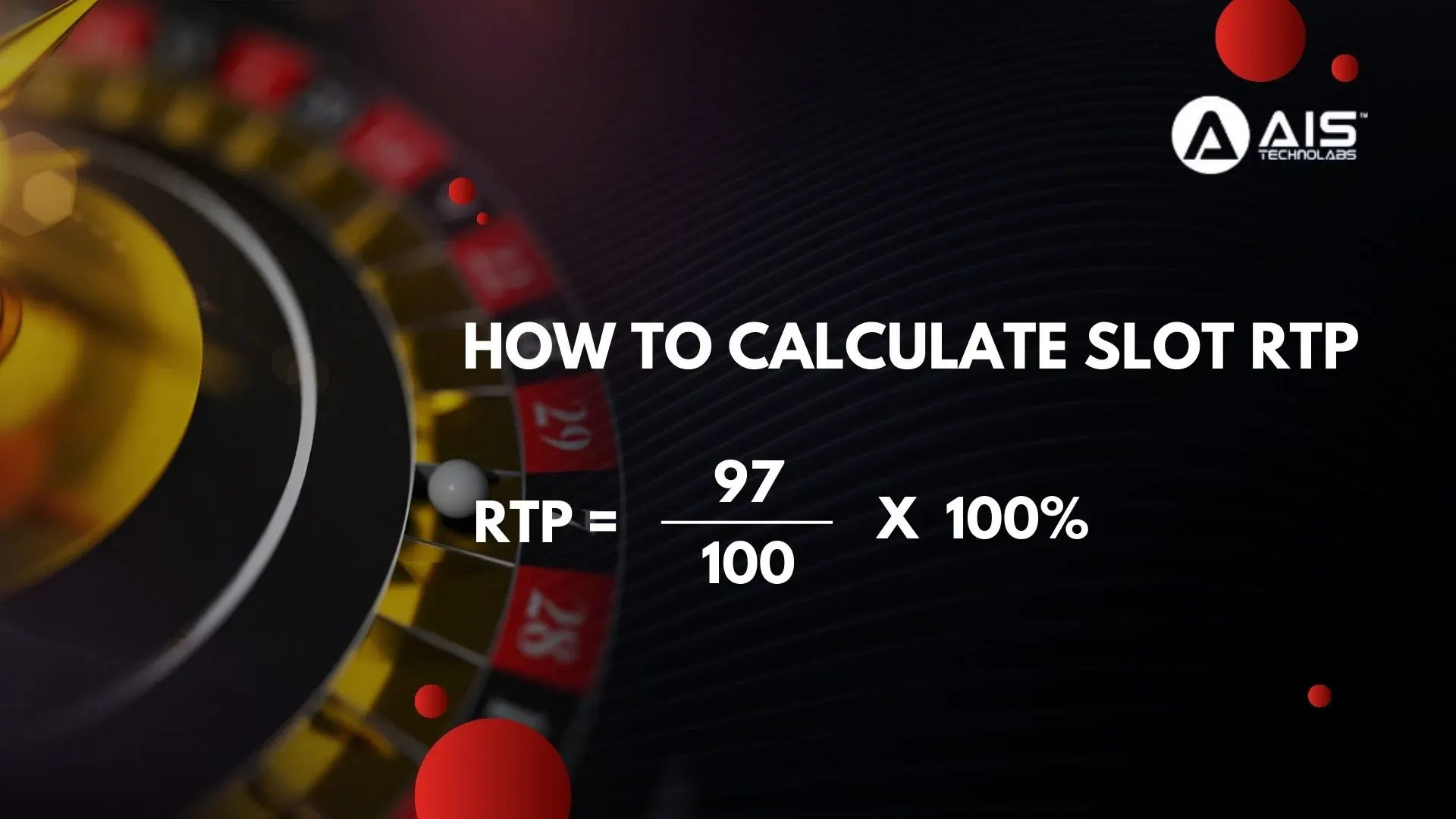
For example, if a slot machine has an RTP of 97%, it means that out of a long series of bets worth 1 EUR each, the game is expected to return 0.97 EUR to the player on average. The remaining 0.03 EUR becomes the casino’s income.
However, RTP always represents a theoretical value — the real outcomes may differ. Actual results are affected by a variety of factors, such as hit frequency (the frequency of wins), bonus round triggers, maximum win potential, volatility, and variance.
Therefore, the RTP % indicates how much a slot machine is anticipated to make back over a long period of time rather than telling players what they could win in a single session. Along with RTP, another crucial concept is House Edge. It's critical to understand the difference between these two since they are frequently mistaken.
The Difference Between RTP and House Edge
RTP, as explained earlier, shows how much of the total money players bet on a game is paid back to them over time. House Edge is the opposite. It shows the sum of money the casino retains from all bets. For example, the House Edge is the remaining 4% if the RTP of a gaming machine is 96%. This 4% is what the casino earns. For this reason alone, the expression "the house always wins" is frequently used. Casinos frequently make more money over time than players, yet a player may win in the short term.
Let's say a player plays 100 EUR on a slot machine with a 96% RTP so as to better understand this. They keep playing with the 96 EUR they won. They receive 92.16 EUR, or 96% of their money returned, in the next round. The gambler begins to lose the initial amount in this cycle, but the casino continue earning 4% for every wager.
Who Determines the RTP
Now that we know what RTP implies, it's critical to understand who decides this value. A Random Number Generator (RNG) has been programmed into casino games by the game development team. Each spin or betting round has been shown to be completely unplanned and controlled by the RNG. To make sure that the outcomes are really random, respected testing firms like iTech Labs and eCOGRA test the RNG.
The developer may integrate the RNG into their games once it has been approved. Special programs that can rapidly simulate hundreds of thousands of game rounds can be executed by both the testing lab and the developer. The RTP percentage of the game is calculated based on the way the RNG works during these testing.
Who Can Influence the RTP
A very common question among both players and casino operators is whether the RTP of a game can be changed based on a casino’s needs or if it stays fixed forever.
To make it clear — once the RTP is set by the game developer, nobody else can change it. Neither the player nor the casino operator has the ability to adjust how much the game pays out.
In some rare cases, developers may design a game with different RTP options. This is mostly seen in offline slot machines and gaming cabinets. The casino operator can choose which RTP version to offer for offline setups. However, the RTP value for online casino games is determined only by the game provider.
How to Calculate the RTP
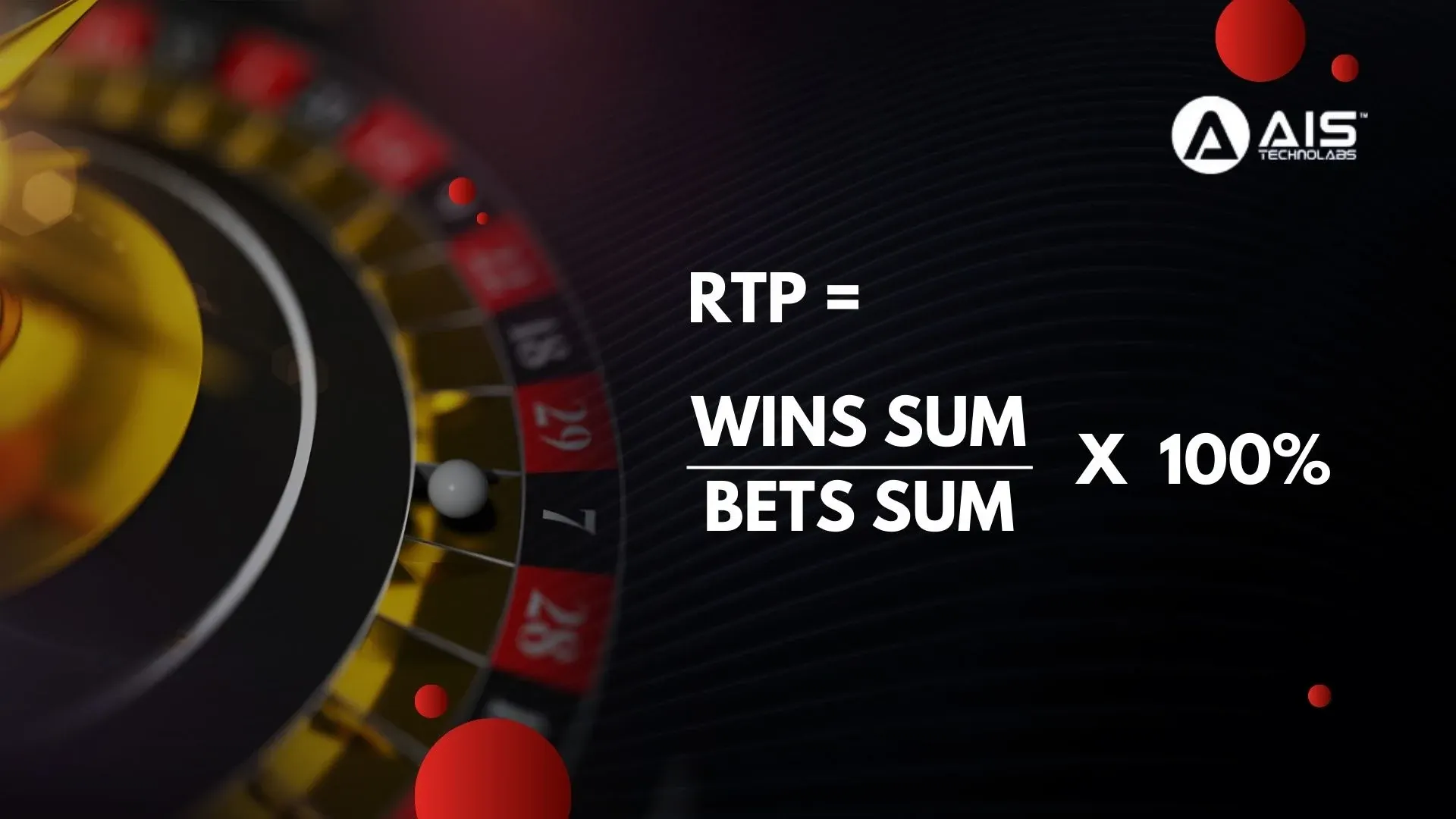
Calculating RTP is quite simple. A player's total winnings have been divided by their total wagers. The result can be divided by 100 to determine the percentage.
How to Find the Slot RTP
It isn't that hard to work up the RTP for a particular slot game. Players can look for the RTP on Google using the name of the game or the name of the game provider and the word "RTP," irrespective of whether the casino is online or offline. This usually brings up information about the exact return percentage for that game.
The vast majority of players will notice that online slots usually have a higher RTP than land-based machines. This occurs because online casinos may provide players better payout rates due to their reduced expenses for operation.
At AIS Technolabs, we assist operators in incorporating game content with unambiguous RTP information, assuring openness and a reliable gaming experience.
Online RTP Vs Offline RTP
Online slots usually have a higher RTP than those at casinos in person. The main reason is cost. Online casinos do not need to worry about physical machines, large staff teams, or maintenance of gaming floors. Their main expenses are game royalties or a small share of revenue paid to the game provider — which is much lower than running a physical location. Because of this, online operators can afford to provide better payout rates to players.
Another benefit is the number of games available. Since they aren't restricted by physical constraints, online casinos are able to offer hundreds or even thousands of slot games. However, the amount of physical machines that offline casinos may install is restricted, and every single one needs to be set up, maintained, and repaired.
With the help of AIS Technolabs, casino operators are able to bring in more players and boost engagement by incorporating high-RTP and widely played online slot content.
RTP and Volatility
As mentioned earlier, several factors influence a player’s winning chances in slot games, and RTP is just one of them. Volatility is a further significant variable. If a game's volatility falls short of players' expectations, they are unable to appreciate it even if it has a high RTP.
Volatility, additionally referred to as dispersion, shows both the quantity and frequency of wins. Three levels of volatility can usually be identified: low, medium, and high.
By paying out tiny yet frequent payouts, low-volatility slots enable players to win more frequently.
Slot machines with high volatility pay out more rarely, but when they do, the benefits are usually much more.
Due to this, some players may nevertheless choose a high-RTP, low-volatility slot machine to a high-RTP, high-volatility one.
In order to enhance player satisfaction and long-term engagement, AIS Technolabs helps operators in selecting and implementing games with a proper balance of RTP to volatility.
RTP and Variance
Variance and volatility are sometimes conflated, yet they are not the same thing. Variance shows how much the actual payout can differ from the predicted RTP, whereas volatility shows how frequently and how much a slot machine pays. The variance, put it plainly, is the difference between what players plan on winning and what they actually win while gaming.
For instance, a player might think they will receive 0.96 EUR back for every 1 EUR bet if the slot machine has an RTP of 96%. However, RTP is calculated based on millions of spins. This means players will only experience that 96% return across a very large number of bets — not in every single round.
The number of people playing the same slot machine concurrently is one instance of an outside factor that affects variance. The payout is subject to ongoing swings since thousands of people may spin concurrently. These fluctuations are what we call variance.
Because of this, the actual RTP can look different in a short time frame compared to the fixed, long-term RTP set by game developers. For example, the payoff could reach 100% during a winning spin, but it may fall far short of that figure during a loss spin.
By integrating games with transparent RTP and variance statistics, AIS Technolabs assists online casino operators by offering players with fair and interesting gaming experiences.
Who Does the RTP Really Matter for
Since RTP is a theoretical value and does not guarantee whether a player will win big in a single session, it’s natural to ask — who actually pays attention to RTP?
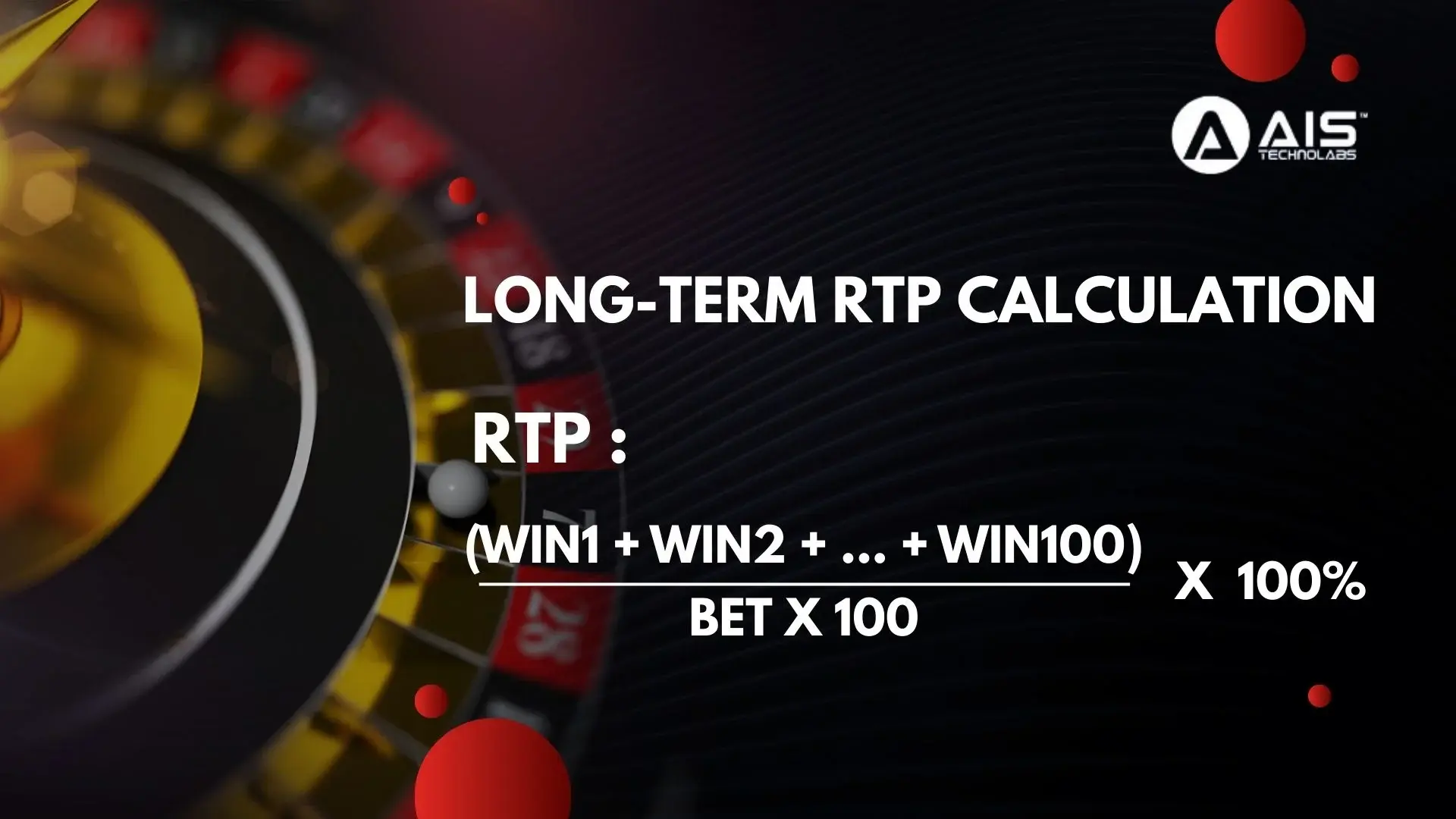
RTP and volatility mainly matter to regular players who like to play frequently and build their own strategy. These players often choose games from providers that offer a higher payout percentage because they believe it increases their chances of winning over time. Even though a player might not match the stated RTP in one session, the actual results usually get closer to the theoretical RTP across many bets.
The RTP of a game can never be 100% or higher, because that would not be profitable for the operator or the game studio. Casino operators have to find a balance among games with high and low RTP. While some lower RTP helps the casino maintain profit, a high RTP attracts more customers.
This is why operators should offer a wide mix of games — so both the casino and players benefit. Players can still enjoy extremely rare, high-value wins that briefly raise the real payout above 100% or even 200% even if the machine they are playing has a modest RTP of 95%. Many more rounds must be played in order to bring the real RTP into line with the theoretical rate.
It’s also important to remember that one big win does not stop more big wins from happening again soon. Every spin is independent and does not rely on the previous result.
RTP becomes especially meaningful when players compare two similar slots — in such cases, even a small difference in the return percentage can influence player choice.
AIS Technolabs helps casino operators integrate and manage a broad selection of games with clear RTP information, ensuring players get transparency and choice while operators maintain profitability.
Top 5 BGaming Games With High RTP
The earnings and longevity of an online casino depend on providing a suitable range of games. Operators can add games that are popular by integrating directly with game providers or by utilizing a game aggregator. High-RTP games are often in high demand because they give players a better sense of winning chances. Here are five BGaming titles known for strong RTP values and solid player engagement.
Fruit Million
With an RTP of 97.1%, Fruit Million is one of BGaming’s most loved games. It provides players many winning combinations with its 100 paylines, Expanded Wilds, and Stacked Symbols. In along with enjoy a number of themed designs for holidays including Christmas, Halloween, St. Patrick's Day, and Oktoberfest, players may boost their advantages with a betting round.
Lucky Lady Moon
The game offers an ordinary design with a 97% RTP using three rows and five reels. The game is unique and gives exciting chances to win due to Wild Multipliers, which may triple your earnings, and Free Spins, with a 3x multiplier.
Aztec Magic Bonanza
Expanding on the popular Aztec Magic series, this game has an RTP of 96.69% and includes an exploding symbols mechanic that prolongs spins and raises the probability of large wins. In addition, it offers a Chance x2 option and with a multiplier Free Spins that can increase the prize by up to 100 times.
Aztec Magic Megaways
The Megaways mechanism, which provides up to 11,000 possible winning combinations, adds to the excitement even if the game in issue also has an RTP of 96.69%. The Megaways structure provides the game new life and keeps it very intriguing to players, despite the fact that the Aztec theme is popular.
Elvis Frog in Vegas
Elvis Frog in Vegas provides fast gameplay and excellent entertainment value with an RTP of 96%. While the Coin Respin feature keeps players engaged through offering players a chance to win Mini, Major, and Mega jackpots, Free Spins with Giant Symbols increase winning odds.
Closing Word
Understanding the RTP percentage can be useful for every type of player — whether they are new to online gaming or have been playing for years. When an online casino clearly shows the RTP of each slot game, it helps build trust because players can get an idea of what their chances of winning look like.
For casino operators, the key is balance. For players to have a likelihood of winning while the casino continues to earn cash, they must have a balanced selection of high RTP and low RTP games. Operators are able to manage game choices, evaluate performance, and keep up player loyalty over time with the assistance of a reliable gaming platform from AIS Technolabs.
If you are planning to enhance your platform with advanced RTP management features, contact us at AIS Technolabs — our experts are here to help you build a more profitable gaming ecosystem.
Disclaimer:
This blog is intended for informational and educational purposes only. We do not promote or facilitate gambling activities in any country where it is considered illegal. Our content is focused solely on providing knowledge about legal and regulated markets. We only work with operators and platforms that are licensed and comply with the laws of jurisdictions where casino gaming is permitted. We do not operate or endorse any form of gambling in restricted regions. In countries where only skill-based games are allowed, our involvement is strictly limited to those games.
We believe gambling should be an entertaining and responsible activity. Our goal is to ensure that the platforms we review uphold the highest standards of fairness, transparency, and player safety.
FAQs
Ans.
RTP (Return to Player) is the percentage of all money spent that a casino game is likely to give to its players over time. A slot machine with a 96% RTP, for example, is intended to generate €96 out of every €100 wagered over time.
Ans.
No. A higher RTP cannot ensure that players will win more than once in a single session, yet it improves the theoretical return over time. What occurs is still influenced by probability, volatility, and the random number generator (RNG).
Ans.
After dividing the total prize pool by the total amount wagered, RTP is determined by dividing the outcome by 100.
RTP is arrived at in the following manner: (Total Winnings/Total Bets) × 100%
Ans.
RTP information is usually accessible online by looking up the game name with "RTP," accessing the slot game's game details or by exploring the casino's website.
Ans.
No, RTP cannot be changed by operators or players. The game developer sets the RTP. Only some games have an additional RTP version, but only the game vendor can set them up.

Mary Smith
Mary Smith excels in crafting technical and non-technical content, demonstrating precision and clarity. With careful attention to detail and a love for clear communication, she skillfully handles difficult topics, making them into interesting stories. Mary's versatility and expertise shine through her ability to produce compelling content across various domains, ensuring impactful storytelling that resonates with diverse audiences.
 ASIA PACIFIC