Table of Content
(502 views)
Published:February 26, 2026 at 12:00 pm
Last Updated:5 Jun 2026 , 10:02 am

Key Takeaways:
Introduction
Online poker has evolved far beyond casual card games. Today, players, private club hosts, and social gaming enthusiasts expect a polished, secure, and immersive experience that mirrors real-world poker tables. Whether you are hosting private tournaments, building a self-hosted poker setup, or planning an online poker business launch, choosing the right platform determines long-term success.
A professional platform powered by White Label Poker Software allows faster deployment, proven stability, and enterprise-grade features without the complexity of building from scratch. This guide breaks down the essential features that define a truly professional online poker platform—from gameplay mechanics to compliance, scalability, and future readiness.
Understanding What Makes an Online Poker Platform Truly Professional
A professional online poker platform is defined by reliability, fairness, scalability, and player trust. It goes beyond basic gameplay to include security, regulatory compliance, smooth performance, and business-ready tools. A white label poker software platform offers a ready-made, tested foundation that enables operators, clubs, and individuals to launch quickly while maintaining full control over branding and operations.
Professionality also means adaptability. Whether you are running private home games, social poker nights, or organized tournaments, the platform should scale effortlessly and deliver a consistent experience across devices and regions.
Core Game Features Every Professional Poker Platform Must Offer
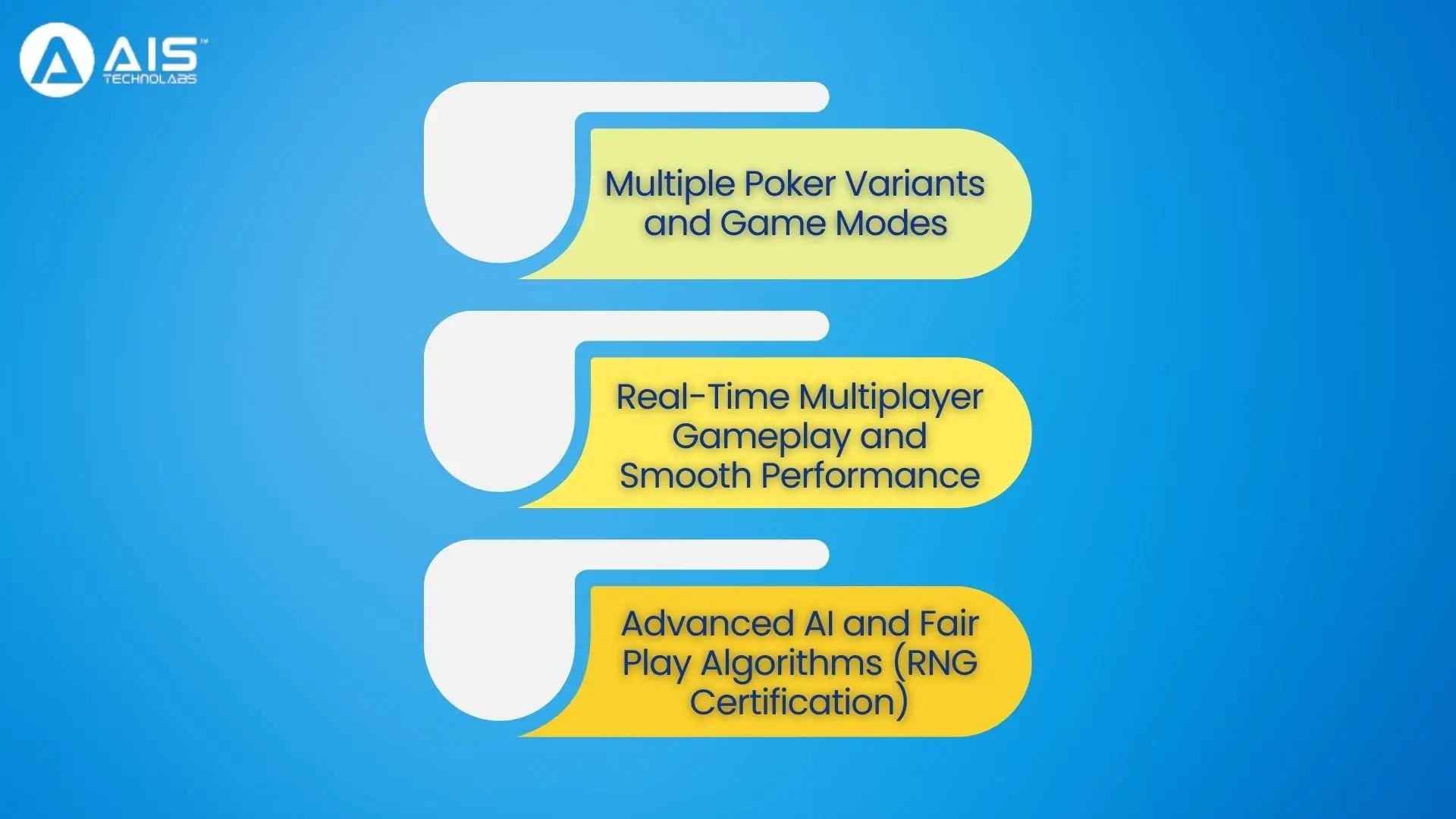
At its core, a poker platform must deliver authentic gameplay, real-time interaction, and verified fairness. These features directly influence player satisfaction and long-term engagement.
Multiple Poker Variants and Game Modes
A professional platform must support a wide range of poker formats to cater to different skill levels and preferences. Texas Hold’em, Omaha, Seven Card Stud, Sit & Go tournaments, cash games, and private tables are essential.
A robust white label poker solution allows operators and hosts to configure blind structures, table limits, and tournament formats, making it suitable for both casual social play and competitive environments.
Real-Time Multiplayer Gameplay and Smooth Performance
Real-time interaction is non-negotiable. Players expect instant responses, synchronized actions, and uninterrupted gameplay regardless of location. A scalable multiplayer poker game engine ensures minimal latency and stable connections even during peak usage.
This is especially important for self-hosted setups and private clubs where multiple players join simultaneously from different networks.
Advanced AI and Fair Play Algorithms (RNG Certification)
Fairness defines credibility. Professional platforms rely on RNG certified poker software to ensure unbiased card distribution. Advanced AI algorithms manage game flow, prevent predictability, and simulate realistic table dynamics.
Certified randomness builds trust and is a fundamental requirement for regulated white label online poker software used in real-money or competitive environments.
Security and Compliance Features That Build Player Trust
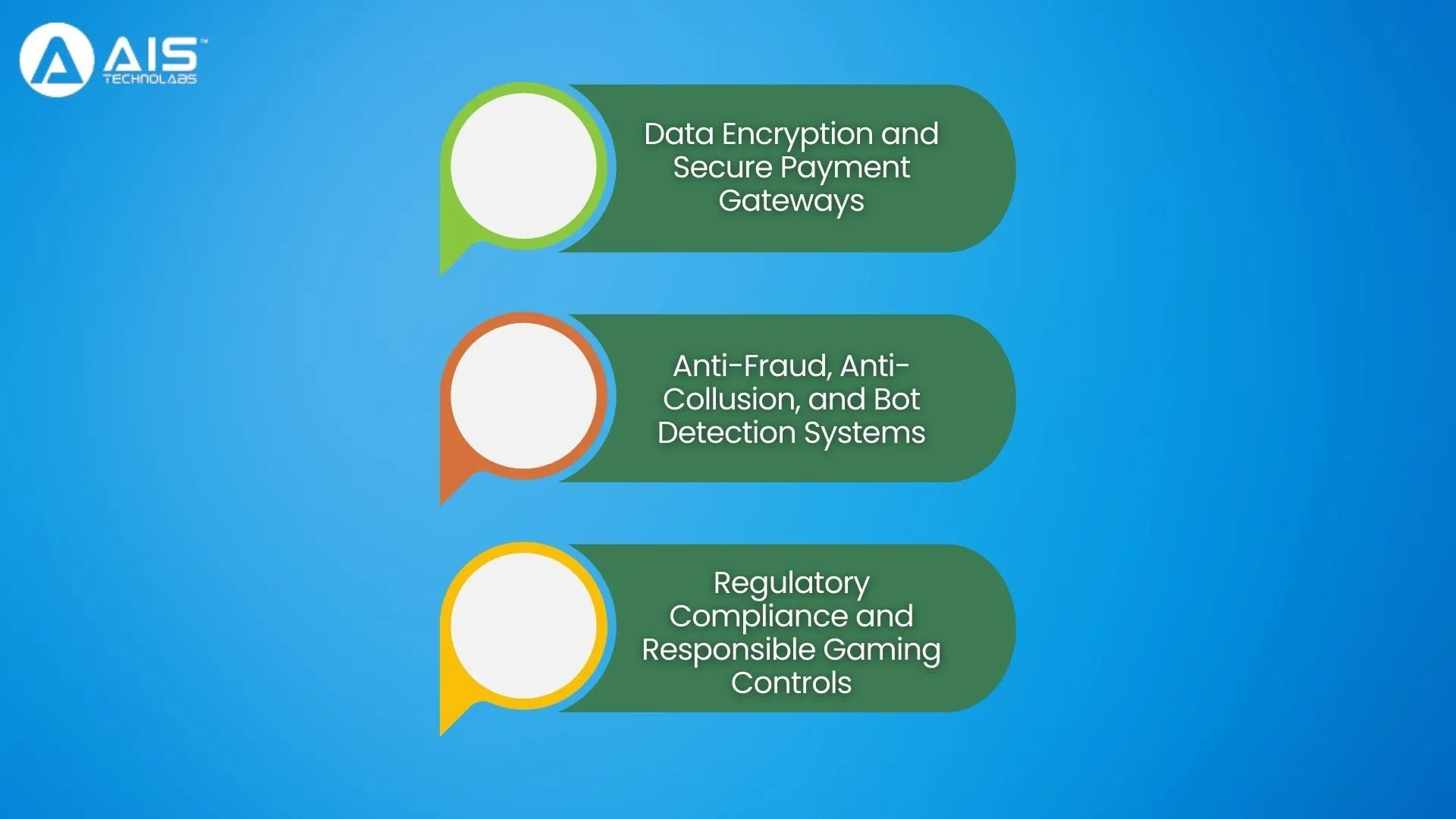
Security is not optional. Any platform handling player data, payments, or competitive gameplay must follow strict security and compliance standards.
Data Encryption and Secure Payment Gateways
End-to-end encryption protects player credentials, gameplay data, and financial transactions. A secure online poker platform integrates PCI DSS compliant payment systems that support multiple payment methods while safeguarding sensitive information.
This is critical for poker platforms used in private clubs, corporate events, or monetized poker setups.
Anti-Fraud, Anti-Collusion, and Bot Detection Systems
Professional poker platforms actively monitor suspicious behavior. Anti-collusion systems detect unfair player cooperation, while bot detection algorithms prevent automated play.
These features ensure fair competition and protect the integrity of both social and professional poker environments.
Regulatory Compliance and Responsible Gaming Controls
A licensed poker software provider includes built-in KYC and AML poker software features, GDPR compliant poker platform architecture, and responsible gaming technology.
This is especially relevant for operators using offshore white label poker software or targeting regulated markets such as Europe, the UK, Malta, India, and the USA.
User Experience Features That Drive Player Retention
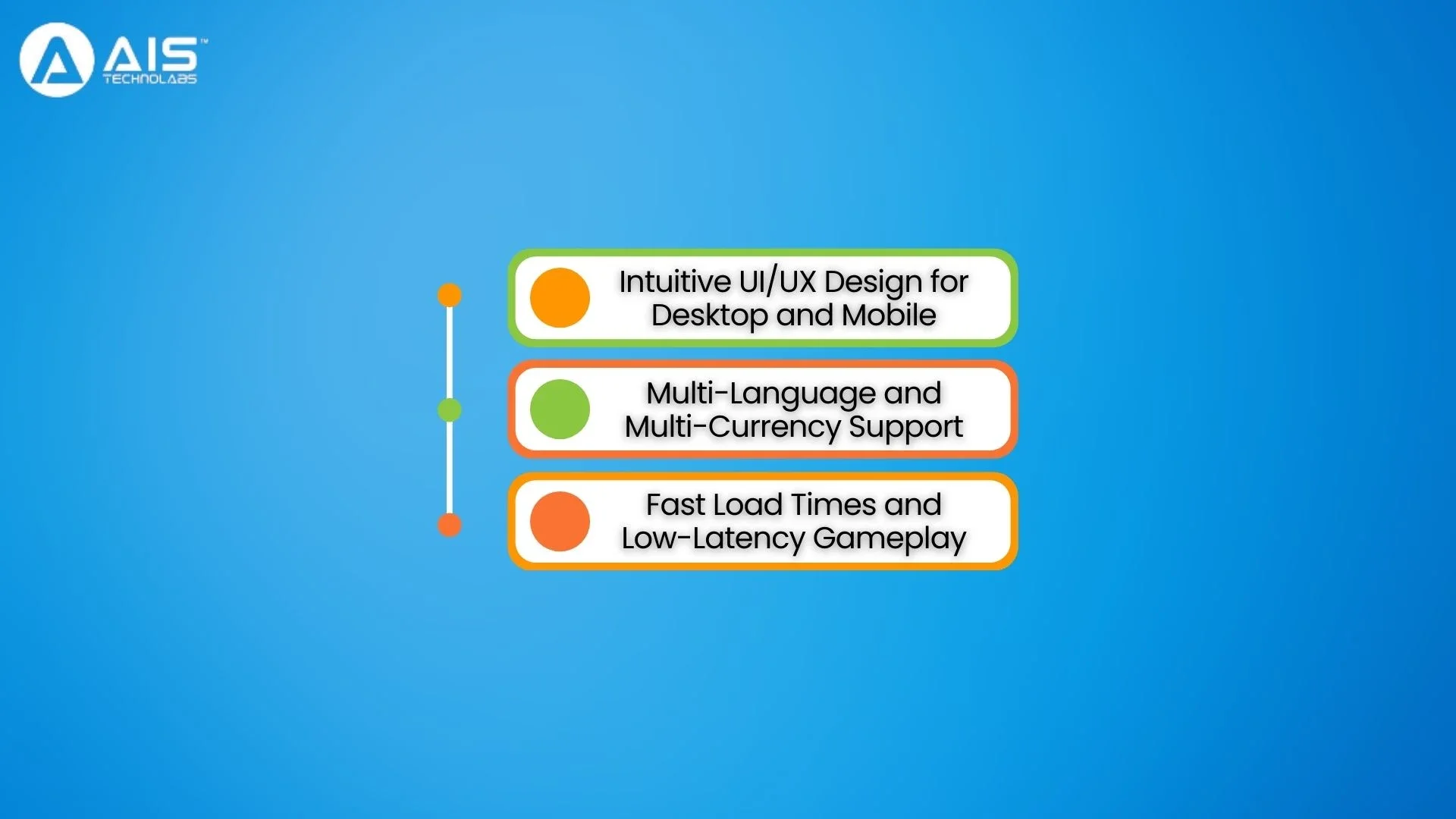
User experience directly impacts how long players stay, how often they return, and whether they recommend the platform. A professional poker platform must feel intuitive, responsive, and immersive across devices. Smooth navigation, fast interactions, and localized access remove friction, allowing players to focus entirely on gameplay rather than technical hurdles.
Intuitive UI/UX Design for Desktop and Mobile
A clean, intuitive interface ensures players can join tables, place bets, and manage accounts effortlessly. Well-designed UI/UX mimics real poker tables while remaining simple enough for casual and social players. Responsive layouts, clear call-to-actions, and consistent design across desktop and mobile reduce learning curves and improve session length.
Multi-Language and Multi-Currency Support
Global accessibility is essential for modern poker platforms. Multi-language interfaces and multi-currency support allow players from different regions to participate comfortably. This inclusivity increases adoption, builds trust, and enables operators to scale internationally without redesigning the platform for each market.
Fast Load Times and Low-Latency Gameplay
Fast load times and low-latency gameplay are critical for real-time poker. Delays disrupt decision-making and frustrate players. Optimized performance ensures smooth card dealing, instant player actions, and uninterrupted sessions, even during peak traffic or large private tournaments.
Scalability and Performance Capabilities for Business Growth
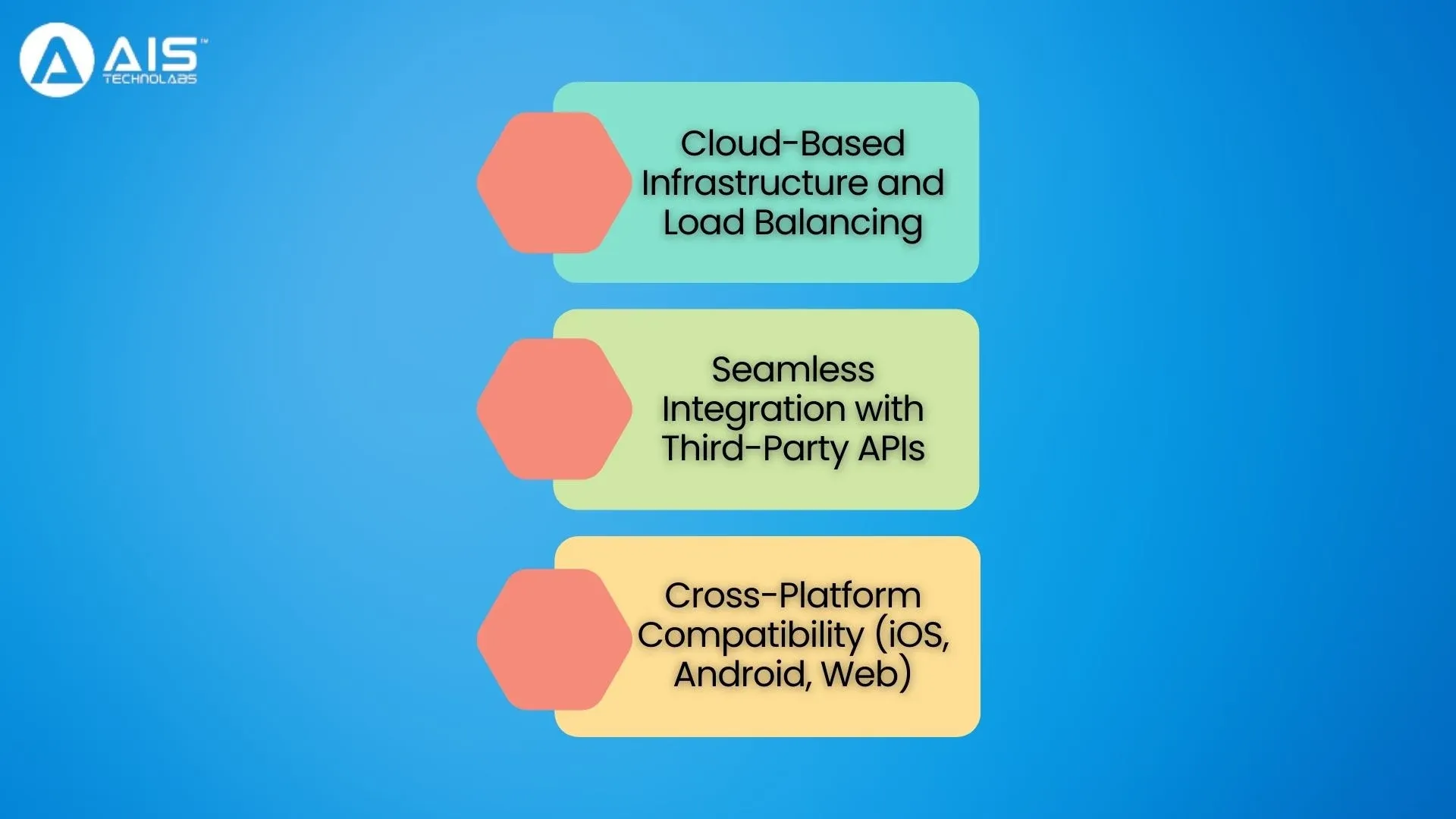
Scalability ensures a poker platform can handle growth without performance issues. As player numbers increase, the system must maintain stability, speed, and reliability. A scalable architecture supports new features, more users, and higher traffic while keeping operational costs predictable.
Cloud-Based Infrastructure and Load Balancing
Cloud-based infrastructure dynamically allocates resources based on demand. Load balancing distributes traffic evenly across servers, preventing downtime during high-traffic events. This setup ensures consistent gameplay performance and allows operators to scale seamlessly as their user base grows.
Seamless Integration with Third-Party APIs
Professional platforms integrate easily with payment gateways, analytics tools, CRM systems, and marketing platforms. API flexibility simplifies operations, improves automation, and enables operators to enhance functionality without disrupting core gameplay.
Cross-Platform Compatibility (iOS, Android, Web)
Players expect uninterrupted access across devices. Cross-platform compatibility ensures users can switch between iOS, Android, and web without losing progress. This consistency improves retention and supports diverse playing habits.
Monetization and Revenue Management Features
Effective monetization tools allow operators to generate revenue while maintaining a fair and enjoyable player experience. Flexible models ensure sustainability without discouraging participation. Transparent systems build trust and support long-term platform growth.
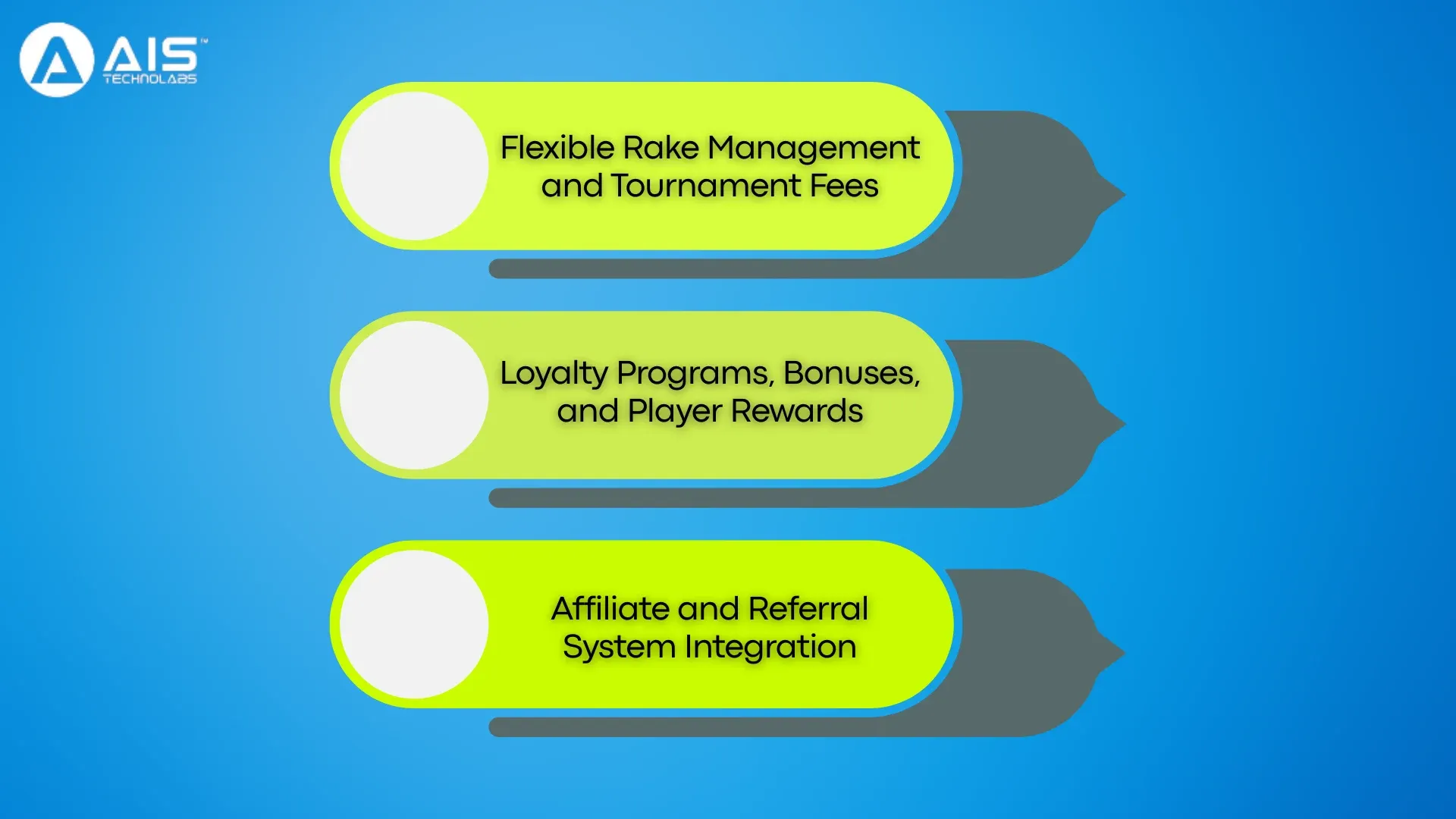
Flexible Rake Management and Tournament Fees
Customizable rake structures and tournament fees give operators control over revenue strategies. Adjusting limits, buy-ins, and commission models allows platforms to cater to casual games, private clubs, or competitive tournaments without compromising fairness.
Loyalty Programs, Bonuses, and Player Rewards
Reward systems encourage repeat play. Loyalty points, milestone bonuses, and achievement rewards increase engagement while strengthening player relationships. These features are particularly effective in social poker and private gaming environments.
Affiliate and Referral System Integration
Referral and affiliate systems drive organic growth. Players are incentivized to invite others, expanding the community naturally while reducing marketing costs. This is especially valuable for private clubs and hosted poker events.
Admin Control and Analytics for Poker Operators
Strong administrative controls enable efficient management and informed decision-making. Operators need real-time visibility into platform activity, player behavior, and financial performance to maintain fairness and optimize operations.
Real-Time Dashboard and Player Management Tools
A centralized dashboard provides instant oversight of tables, players, and transactions. Admins can manage access, monitor gameplay, and resolve issues in real time, ensuring smooth platform operation.
Advanced Analytics, Reports, and Game Insights
Detailed analytics reveal player trends, session durations, and revenue patterns. These insights help operators refine game structures, improve engagement, and plan future expansions based on real data.
Custom Rule Engine and Game Configuration
A flexible rule engine allows operators to define betting limits, table rules, and tournament formats. This customization supports varied poker styles, from casual social games to structured competitive play.
Customization and White-Label Readiness
Customization enables operators to create a unique poker experience aligned with their brand or event theme. White-label readiness ensures fast deployment while retaining full creative and operational control.
Brand Customization and Theming Options
Operators can personalize logos, table designs, color schemes, and interface elements. Consistent branding enhances recognition and creates a professional, immersive environment for players.
Modular Feature Expansion for Future Upgrades
Modular architecture allows new features to be added as needs evolve. This future-proofs the platform and avoids costly redevelopment when expanding functionality or entering new markets.
Technical Support, Maintenance, and Platform Reliability
Reliable technical support ensures uninterrupted gameplay and long-term platform stability. Proactive maintenance minimizes downtime and keeps systems secure, compliant, and up to date.
24/7 Technical Support and Monitoring
Round-the-clock monitoring detects issues before they impact players. Dedicated technical support teams ensure quick resolution, which is essential for live tournaments and scheduled events.
Regular Updates, Bug Fixes, and Feature Enhancements
Continuous updates improve security, performance, and usability. Regular enhancements keep the platform aligned with industry standards and evolving player expectations.
How to Choose the Right Poker Platform Provider
Choosing the right provider determines the platform’s success. Look for proven experience, compliance knowledge, scalable technology, and long-term support. A reliable provider offers transparency, customization flexibility, and post-launch assistance to ensure sustainable growth and operational confidence.
Launch Your Poker Platform with Confidence
Final Thoughts: Investing in a Feature-Rich Professional Poker Platform
A professional online poker platform is not just about gameplay—it is about trust, performance, scalability, and long-term value. Using White Label Poker Software enables faster launches, reduced risk, and enterprise-grade functionality suitable for social gaming, private clubs, and professional poker environments.
At AIS Technolabs, we specialize in building secure, scalable, and fully customizable poker platforms tailored to global markets. If you are planning to buy white label poker software or launch a poker app quickly, our experts are ready to help. Contact us to explore the right solution for your goals.
Disclaimer:
This blog is intended for informational and educational purposes only. We do not promote or facilitate gambling activities in any country where it is considered illegal. Our content is focused solely on providing knowledge about legal and regulated markets. We only work with operators and platforms that are licensed and comply with the laws of jurisdictions where casino gaming is permitted. We do not operate or endorse any form of gambling in restricted regions. In countries where only skill-based games are allowed, our involvement is strictly limited to those games.
We believe gambling should be an entertaining and responsible activity. Our goal is to ensure that the platforms we review uphold the highest standards of fairness, transparency, and player safety.
FAQs
Ans.
White label poker software is a ready-made poker platform that allows individuals or operators to launch branded poker apps or websites quickly without developing the software from scratch.
Ans.
The provider supplies a pre-built poker platform, while you customize branding, rules, and configurations. The backend, security, and core technology are already tested and maintained.
Ans.
Legality depends on jurisdiction. Most platforms support compliance features like KYC, AML, and responsible gaming, making them suitable for regulated and offshore markets.
Ans.
Pricing varies based on features, customization, licensing, and support. White label solutions are significantly more cost-effective than custom development.
Ans.
It is ideal for private poker clubs, social gaming hosts, event organizers, entrepreneurs, and operators looking for a scalable and professional poker platform.

Mary Smith
Mary Smith excels in crafting technical and non-technical content, demonstrating precision and clarity. With careful attention to detail and a love for clear communication, she skillfully handles difficult topics, making them into interesting stories. Mary's versatility and expertise shine through her ability to produce compelling content across various domains, ensuring impactful storytelling that resonates with diverse audiences.
 ASIA PACIFIC