Table of Content
(500 views)
Published:June 25, 2026 at 5:48 am
Last Updated:25 Jun 2026 , 6:17 am
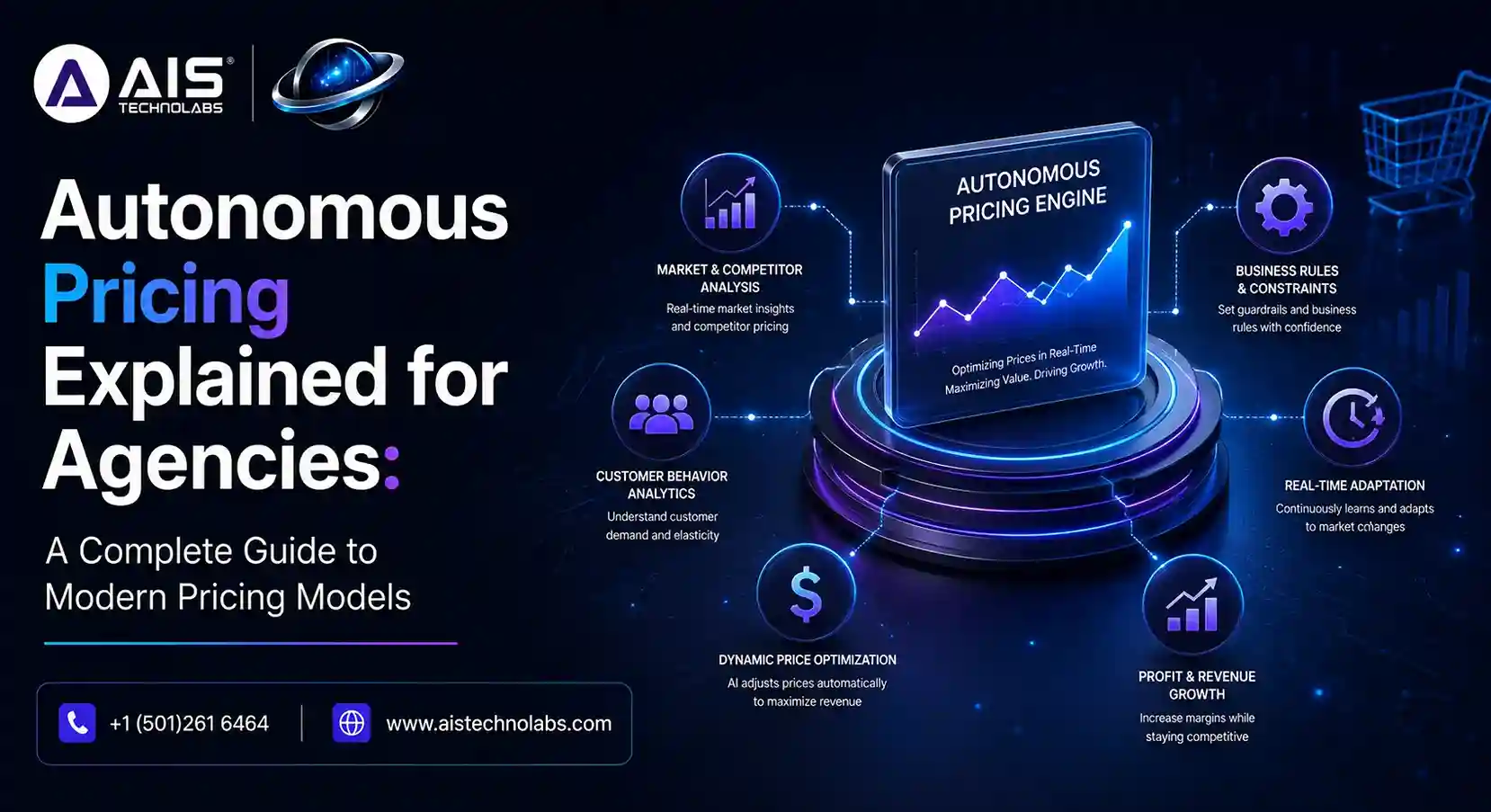
Key Takeaways
- Autonomous pricing focuses on flexibility, automation, and scalability.
- This lets agencies increase profits through data-driven choices.
- Modern systems also reduce boring tasks and waste.
- Plus, transparency helps build trust and keeps clients around longer.
- As the agency grows, automation lets you adjust prices easily.
- The right pricing strategy is crucial for long-term success.
Introduction
Agency pricing has shifted quite a bit in recent years. Hourly billing and fixed-project fees are being replaced by more flexible alternatives. In these new schemes, payment hinges on outcomes instead of just the hours logged.
With agencies growing and client expectations soaring, there's a clear need for pricing that flexes with the changes. Workload, service demand, and operating costs continually shift. This is where Autonomous pricing comes in – instead of locking into static rates, agencies use more malleable pricing models. These link payment to results, resource usage, and overall business impact.
To stay efficient and expand, agencies are seriously rethinking their pricing approaches. Those embracing adaptable pricing not only manage profits well but keep their services competitive.
By understanding and implementing Autonomous pricing, agencies can stabilize revenue streams. Plus, they improve operations and strengthen client relationships in the process.
Understanding Autonomous Pricing
Autonomous pricing is all about flexibility, efficiency, and automation. Instead of sticking to fixed prices, agencies can change service costs based on things like workload, complexity, customer needs, and resource use. This lets businesses react better to market shifts and customer expectations, moving away from a one-size-fits-all model.
With autonomous pricing, companies make pricing structures that show the real value they offer. It has a few key traits:
- Flexible pricing
- Data-driven choices
- Extensible models
Plus, it helps track profits and aligns costs with value better.
As agencies add more services, pricing flexibility gets way more important for staying successful in the long run.
Why Traditional Agency Pricing Models Are Changing
For many years, agencies used hourly billing and fixed project fees. These methods are still around but often don't adjust for rising efficiency, automation, and changing client needs.
More clients now care about results rather than time spent. Plus, agencies use tech to boost productivity and streamline their work.
Because of this shift, lots of companies are looking into Autonomous pricing frameworks. These help link revenue to actual value, not just the hours worked.
The traditional ways also bring some big problems:
- Limited scalability
- Tricky revenue prediction
- Trouble meas`uring value
- Too much admin
- Less flexibility
To tackle these, modern agencies require better pricing strategies that support growth without ditching transparency or profits.
The Benefits of Flexible Pricing Structures
At its core, Autonomous pricing refers to a pricing approach that emphasizes adaptability, efficiency, and automated decision-making. Instead of maintaining rigid pricing structures, agencies can adjust service costs based on factors such as workload, service complexity, customer requirements, and resource allocation.
This approach allows businesses to respond more effectively to market changes and client expectations. Rather than relying on a one-size-fits-all model, agencies can create pricing structures that better reflect the value they provide.
Key Characteristics
- Flexible pricing structures
- Data-driven decision-making
- extensible service models
- Improved profitability tracking
- Better alignment between value and cost
As agencies continue to diversify their services, pricing flexibility becomes increasingly important for long-term success.
Autonomous pricing allows agencies to cater to clients' specific needs and adapt to market shifts. Instead of sticking to just one package, businesses create custom price options based on individual service requirements.
There's a major benefit in supporting diverse pricing methods within one model. Agencies can blend retainers, performance-based fees, subscriptions, and project pricing to fit various client needs.
This approach offers numerous advantages like—
- Increased customer satisfaction
- Improved profit margins
- More adaptable service options
- Stable revenue
- Boosted competitiveness
When agencies tailor their pricing to suit what clients require, they generally build stronger relationships and maintain long-term customer loyalty.
How Automation Supports Pricing Decisions
Tech is super important in how companies price stuff nowadays. It lets agencies see data on what customers do, how services are used, and what costs them money.
Automation makes keeping track of all this easier too, so firms can tweak their prices based on real info. They don't just guess.
Key areas that get a boost include figuring out costs, following resource use, watching client behavior, measuring results, and guessing future revenue.
Since there's less need for tedious math and paper pushing, pricing becomes way more accurate and efficient throughout the whole biz.
Building a extensible Revenue Model
Extensibility is super important for agencies looking to grow. What works for a small number of clients can get really tough to manage when you expand.
A good autonomous pricing plan lets agencies earn more without making things too complex operationally. This helps keep profits up as they serve more people.
Key parts of a extensible model include
- Standard procedures
- Automated billing
- Flexible tiers
- Subscription income
- Clear value points
- Pricing that scales
These elements create a solid base for ongoing growth and success.
Improving Client Transparency
Pricing transparency is super crucial nowadays. Customers wanna know what they're paying for and how prices are set.
Clear communication builds trust and cuts down on misunderstandings too.
To stay transparent, companies should have:
- Clear deliverables
- Simple pricing info
- Consistent chats
- Regular check-ins
- Easy bills
This usually leaves clients happier and more loyal in the long run.
Common Pricing Models Used by Agencies
While every agency is unique, several pricing structures remain widely used throughout the industry.
Popular Agency Pricing Methods
- Monthly retainers
- Project-based pricing
- Performance-based pricing
- Subscription services
- Tiered pricing packages
Many agencies combine multiple models to create a balanced revenue strategy. The goal is to align pricing with both client expectations and business objectives.
Choosing the right model depends on service offerings, customer needs, operational capabilities, and growth plans.
Measuring Pricing Effectiveness
Implementing a pricing strategy is only the first step. Agencies should regularly evaluate performance to ensure their pricing structure continues to support business goals.
The effectiveness of Autonomous pricing can be measured through various performance indicators that provide insight into profitability and customer satisfaction.
Important Metrics
- Client retention rates
- Revenue growth
- Profit margins
- Customer satisfaction scores
- Average contract value
Monitoring these metrics helps businesses make informed adjustments and maintain competitive pricing structures.
Future Trends in Agency Pricing
Agency pricing keeps changing with new tech, automation, and what customers expect. Businesses are shifting towards flexible models focusing on clear results and steady income streams.
AI, automation, and data tools growing bigger should shape how agencies set prices down the line.
Those that stay flexible and react to market shifts will be best at competing and expanding in a super dynamic business world.
Why Agencies Are Exploring Modern Pricing Approaches
Agencies must now provide better results while keeping costs down and staying profitable. Traditional billing isn't always a good match for today's services though. For this reason, Autonomous pricing is getting noticed. It helps agencies make their business models more sustainable and extensible.
By using flexible pricing, companies can link revenue more directly to outcomes, boost efficiency, and build stronger long-term ties with clients. As competition ramps up, those agencies adopting creative pricing could get a significant edge over their rivals.
Conclusion
Pricing is super important for any agency because it affects profit, client ties, and future expansion. Autonomous pricing gives more wiggle room, clarity, and speed. This style blends automation, smart data choices, and adaptable pricing schemes that line up with client needs and biz goals.
In changing markets, those who check and tweak their pricing plans will have an edge. Careful price planning boosts income, customer contentment, and steady ops.
AIS Technololabs? They show firms how to put in tech fixes, automations, and tech-led systems for smoother running, bigger reach, and good growth.
FAQs
Ans.
Autonomous pricing is about adjusting costs based on things like how services are delivered and resources are used. It looks at efficiency and customer needs too. This approach helps tie costs to the value and results the business gets, making pricing more flexible.
Ans.
Many agencies want more flexibility, scalability, and profitability. Traditional pricing methods might not show modern service delivery well, though. With automation and tech boosting ops efficiency, these old methods are looking outdated.
Ans.
Automation gives agencies clearer insight into costs, performance, and resource use. This info helps them make smarter pricing choices and boosts their overall financial management too.
Ans.
Yeah, transparency along with value-based pricing helps clients understand service costs and expected results better. This leads to increased trust, stronger ties, and greater satisfaction.
Ans.
Small agencies can benefit from flexible pricing models since they let businesses adjust services to client needs while keeping profits and boosting future growth too.
Ans.
Revenue growth, profit margins, customer retention, client satisfaction, average contract value, and overall profitability are key metrics. They show if pricing strategies are working, helping us see the bigger picture.

James Smith
James Smith, a seasoned Brand Marketing Manager with over 9 years of experience, excels in crafting and executing strategic marketing initiatives. With a keen understanding of consumer behavior and market trends, he effectively builds and enhances brand identities. James's expertise lies in developing comprehensive marketing strategies that resonate with target audiences, driving engagement and loyalty. His extensive experience and innovative approach make him a valuable asset in achieving brand objectives and driving business growth.
 ASIA PACIFIC