Table of Content
(508 views)
Published:September 5, 2025 at 9:10 am
Last Updated:29 May 2026 , 12:28 pm
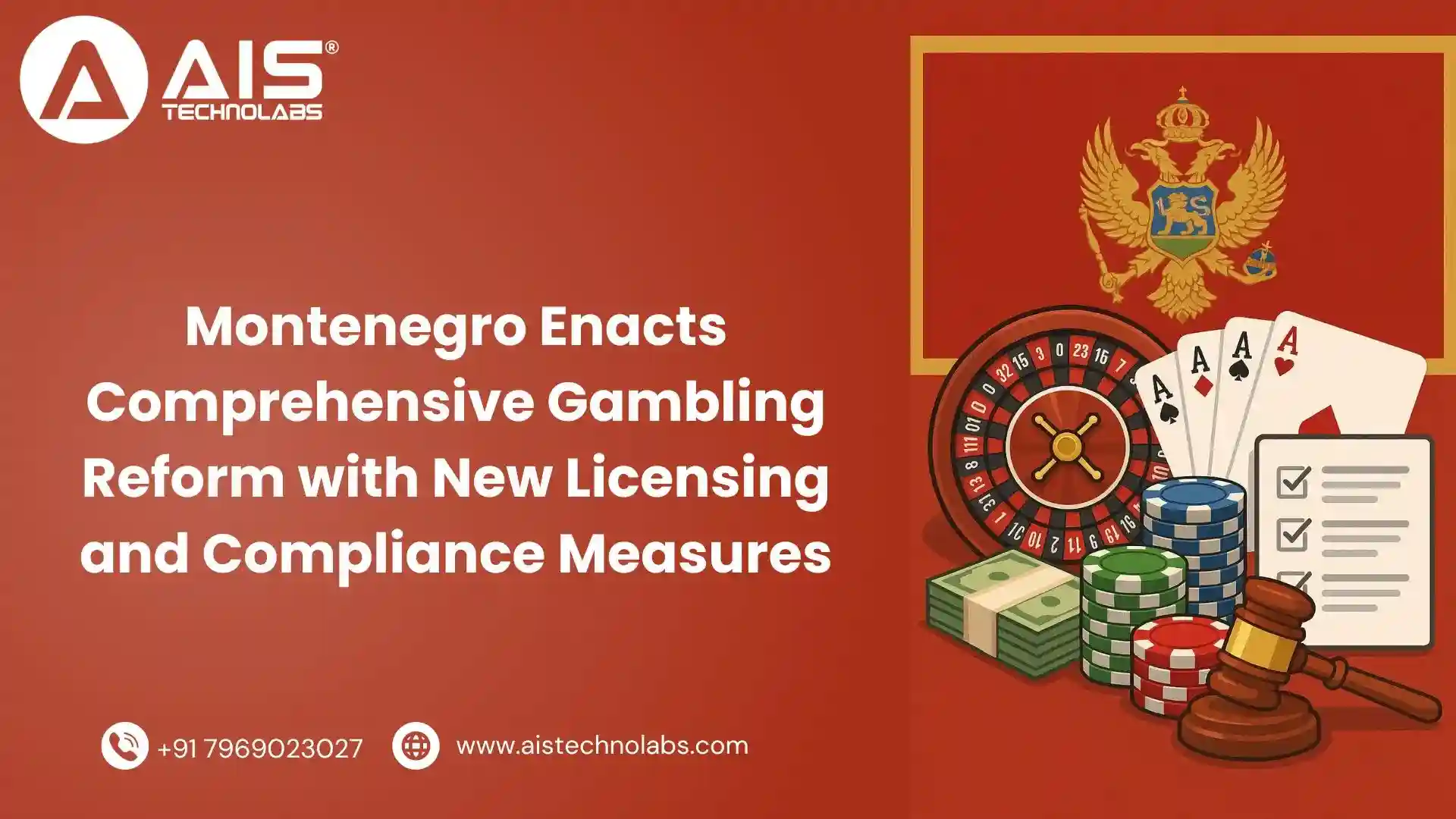
Key Takeaways:
- Montenegro is introducing a new gambling reform framework with stricter licensing and compliance requirements
- The country is shifting from a concession-based system to a modern licensing model for gambling operators
- Operators must comply with enhanced AML, KYC, responsible gambling, and data protection standards
- The reforms include real-time monitoring, regular audits, and stronger regulatory oversight
- Online gambling operators will face stricter operational and licensing conditions under the new law
- Non-compliance may result in heavy fines, license suspension, or revocation
- The new framework aims to create a more transparent, secure, and EU-aligned gambling market in Montenegro
Introduction
Gambling, a widely enjoyed pastime across the globe, can often become a source of economic growth, social issues, and regulatory challenges. In many countries, the balancing act of maintaining a healthy, competitive gambling sector while ensuring the protection of consumers and society has proven difficult.
Montenegro, known for its picturesque landscapes and vibrant tourism industry, has recently made strides to address this very challenge. The country has enacted comprehensive gambling reforms designed to overhaul its entire regulatory framework, incorporating stringent licensing and compliance measures.
These changes are set to reshape the future of gambling in Montenegro, benefiting operators, consumers, and the economy alike. As part of this transformation, there is also a growing emphasis on integrating advanced casino gambling software to enhance the gaming experience, ensuring both fair play and compliance with the new regulations.
Background: Montenegro's Gambling Industry
Montenegro has long been known as a premier destination for gambling enthusiasts, with a number of luxurious casinos attracting both local and international visitors. The country’s relaxed gambling laws and low taxation rates have contributed to its appeal as a haven for gaming operations. However, like many nations, Montenegro faced growing concerns about the integrity and transparency of its gambling market. This led to the development of a more robust regulatory environment that would address various issues such as money laundering, unlicensed operations, consumer protection, and responsible gambling practices.
As part of its modernization efforts, Montenegro has now implemented an ambitious set of reforms that not only strengthen its regulatory framework but also aim to position the country as a leading European hub for legal and secure gambling.
Key Features of Montenegro’s Gambling Reform
The gambling reforms introduced by the Montenegrin government are multi-faceted, addressing everything from licensing requirements to compliance measures. Let’s take a closer look at the key components of these reforms.
1. New Licensing System
One of the most significant changes is the introduction of a new licensing system designed to make it easier for legitimate operators to enter the Montenegrin gambling market while ensuring that only those with the proper credentials and financial backing can run gambling operations. This system aims to create a transparent and competitive marketplace, which in turn encourages responsible gaming practices and reduces the scope for illegal operations.
Under the new licensing framework, operators will need to meet strict criteria to secure approval. This includes demonstrating financial stability, implementing robust security protocols, and offering consumer protection measures. Licensing fees have been structured to be competitive with other European jurisdictions, making Montenegro an attractive option for international gaming companies looking to expand their reach.
Operators will also be required to maintain detailed records of their activities and submit to regular audits. The new framework emphasizes transparency and accountability, ensuring that the public and regulatory bodies have access to relevant information about gaming operators’ activities.
2. Enhanced Compliance Measures
In addition to the revamped licensing system, Montenegro has introduced stringent compliance measures that place a strong emphasis on consumer protection, responsible gambling, and anti-money laundering (AML) practices. These measures are designed to ensure that gambling in Montenegro is conducted in a safe, fair, and transparent manner.
One of the key aspects of the compliance reforms is the requirement for operators to implement tools that promote responsible gambling. This includes offering players the ability to set limits on their deposits, losses, and gaming sessions. Additionally, operators are required to offer self-exclusion options for individuals who may be at risk of gambling addiction.
The government has also introduced tighter regulations on the use of personal data, with operators now required to adhere to strict data protection laws. This includes providing players with clear information about how their personal data is being used and allowing them to opt-out of marketing materials if they choose to do so.
Furthermore, Montenegro has implemented stronger AML procedures to detect and prevent illicit financial activities within the gambling sector. Operators must now conduct thorough checks on their customers to ensure that they are not involved in money laundering, terrorist financing, or other criminal activities. This includes verifying the identities of customers and monitoring transactions for suspicious behavior.
3. Improved Regulatory Oversight
To support the enforcement of these new regulations, Montenegro has strengthened its regulatory oversight through the establishment of a new independent gambling authority. This body is tasked with monitoring the compliance of gambling operators and ensuring that they adhere to the country’s legal requirements.
The gambling authority will also be responsible for issuing and renewing licenses, conducting investigations into potential violations, and imposing penalties for non-compliance. By centralizing regulatory oversight in a single, dedicated authority, Montenegro aims to create a more efficient and effective system for managing the gambling industry.
In addition to overseeing local operators, the gambling authority will also collaborate with international regulators to ensure that cross-border gambling activities are properly monitored. This is particularly important as many international operators offer online gambling services to Montenegrin residents.
4. Stricter Penalties for Non-Compliance
The new gambling reforms include more severe penalties for operators who fail to comply with licensing requirements, regulatory standards, or consumer protection laws. Penalties can range from heavy fines to the suspension or revocation of an operator’s license. This is designed to serve as a deterrent against illicit gambling operations and encourage companies to maintain high standards of integrity and compliance.
The stricter penalties are not only aimed at curbing illegal activity but also at fostering a safer and more trustworthy gambling environment for consumers. The reforms emphasize the need for operators to adhere to both the letter and the spirit of the law, ensuring that gambling in Montenegro remains a legitimate and reputable industry.
5. Promoting Tourism and Economic Growth
Montenegro’s gambling reforms are also seen as a way to stimulate the local economy, particularly in the tourism sector. The country has long relied on tourism as a primary driver of its economy, and the introduction of these gambling reforms is expected to attract even more international visitors and investors.
By establishing a more regulated and transparent gambling market, Montenegro hopes to build on its existing reputation as a premier destination for casino gaming, sports betting, and online gambling. The reforms aim to make Montenegro an attractive location for reputable gaming companies, which could lead to the creation of new jobs, increased tourism revenue, and enhanced economic growth.
Furthermore, the reforms are expected to help Montenegro compete with other European destinations that have established themselves as gambling hubs, such as Malta, Gibraltar, and the Isle of Man. By creating a modern and competitive regulatory framework, Montenegro aims to position itself as a leader in the European gambling industry.
6. Online Gambling Regulation
While land-based casinos and sports betting have historically been the focus of gambling regulation in Montenegro, the country has also introduced provisions to regulate online gambling. As more people turn to the internet for their gaming needs, the government has recognized the importance of providing a clear legal framework for online operators.
Under the new reforms, online gambling operators wishing to offer their services to Montenegrin players will need to obtain a license from the gambling authority. These operators will be required to meet the same strict standards as land-based operators, including implementing responsible gambling measures and adhering to anti-money laundering protocols.
By regulating online gambling, Montenegro aims to ensure that players are protected from fraudulent and unlicensed operators, while also ensuring that the government receives a fair share of tax revenue from the industry.
Impact on the Gambling Sector
The introduction of these comprehensive reforms is set to have far-reaching effects on Montenegro’s gambling sector. Here are some of the potential impacts:
Increased Legitimacy and Trust
The new regulations are likely to enhance the reputation of the Montenegrin gambling industry. By ensuring that operators meet high standards of compliance and accountability, the country will attract more reputable gaming companies, which will, in turn, foster greater consumer confidence.
Growth in Online Gambling
With the inclusion of online gambling in the regulatory framework, Montenegro is likely to see significant growth in the online gaming sector. This will be a key driver of future revenue, as more people choose to engage in digital gambling activities.
Economic Benefits
The gambling reforms are expected to boost the local economy by attracting international investors and tourists, particularly in the casino and tourism sectors. In turn, this could create jobs, increase tax revenue, and help diversify the economy.
Enhanced Consumer Protection
With greater emphasis on responsible gambling and consumer protection, players will enjoy a safer and more transparent gambling experience. These reforms ensure that consumers have the tools and support they need to gamble responsibly.
Conclusion
Montenegro’s comprehensive gambling reform marks a significant step toward creating a more regulated, transparent, and competitive gambling market. With new licensing systems, enhanced compliance measures, and a stronger regulatory framework, the country is positioning itself as a leader in the European gambling industry. The reforms are expected to benefit both consumers and operators while contributing to Montenegro’s economic growth. These measures will help ensure that gambling in Montenegro remains a legitimate, responsible, and sustainable industry for years to come.
As Montenegro continues to evolve its gambling regulations, companies like AIS Technolabs are well-positioned to provide innovative solutions and support for operators looking to navigate this new landscape, ensuring compliance and fostering growth in this dynamic sector.
Disclaimer
This blog is intended for informational and educational purposes only. We do not promote or facilitate gambling activities in any country where it is considered illegal. Our content is focused solely on providing knowledge about legal and regulated markets. We only work with operators and platforms that are licensed and comply with the laws of jurisdictions where casino gaming is permitted. We do not operate or endorse any form of gambling in restricted regions. In countries where only skill-based games are allowed, our involvement is strictly limited to those games.
We believe gambling should be an entertaining and responsible activity. Our goal is to ensure that the platforms we review uphold the highest standards of fairness, transparency, and player safety.
FAQs
Ans.
Montenegro’s new gambling reform focuses on several key aspects, including:
- Introduction of a new licensing system for gambling operators.
- Enhanced compliance measures, including stronger consumer protection and responsible gambling practices.
- Improved regulatory oversight through an independent gambling authority.
- Stricter penalties for non-compliance, including heavy fines and license revocation.
- Provisions for the regulation of online gambling operations.
Ans.
The reforms aim to modernize Montenegro's gambling sector, increase transparency, reduce illegal activities, and promote consumer protection. They are designed to make Montenegro a more competitive, safe, and reputable hub for gambling, both for land-based and online operators. Additionally, these measures help ensure that the gambling industry contributes positively to the economy while minimizing risks like money laundering and problem gambling.
Ans.
The new licensing system requires gambling operators to meet stringent criteria before being granted a license. These criteria include proving financial stability, implementing robust security protocols, and maintaining responsible gaming practices. Operators will also be required to submit to regular audits and provide detailed records of their operations to ensure transparency and accountability.
Ans.
The reforms include several key compliance measures, such as:
- Responsible gambling tools like self-exclusion and limits on deposits and losses.
- Stringent anti-money laundering (AML) measures to detect and prevent illicit financial activities.
- Requirements for operators to adhere to strict data protection laws and ensure consumer privacy.
- Regular audits and checks on operators to ensure adherence to regulatory standards.
Ans.
Under the new reforms, online gambling operators wishing to offer services to Montenegrin residents must obtain a license from the new gambling authority. These operators will be subject to the same regulatory standards as land-based operators, including responsible gambling measures and anti-money laundering requirements. This ensures that players are protected from unlicensed or fraudulent online gambling activities.
Ans.
Operators who fail to comply with the new regulations could face severe penalties, ranging from heavy fines to the suspension or complete revocation of their gambling license. These penalties are designed to ensure that all gambling operations in Montenegro adhere to the highest standards of legality and responsibility.
Ans.
The gambling reforms are expected to boost Montenegro’s economy by attracting reputable international operators and increasing tourism revenue. With a more regulated gambling environment, the country is likely to see growth in both land-based casinos and online gambling. This growth could lead to job creation, higher tax revenues, and increased foreign investment in the gambling sector.
Ans.
Consumer protection is at the heart of the new gambling reforms. Players will have greater control over their gambling habits with tools to set deposit limits, losses, and gaming session durations. Additionally, the reforms include measures to ensure that personal data is protected, and consumers are not exposed to fraudulent or harmful gambling practices. The new licensing and compliance measures also aim to reduce the risk of problem gambling.

Mary Smith
Mary Smith excels in crafting technical and non-technical content, demonstrating precision and clarity. With careful attention to detail and a love for clear communication, she skillfully handles difficult topics, making them into interesting stories. Mary's versatility and expertise shine through her ability to produce compelling content across various domains, ensuring impactful storytelling that resonates with diverse audiences.

Don't Just Plan Your Gaming Business. Build It.
Get the right technology to build and grow your iGaming business.
- Custom-Built Solutions
- Complete Technical Support
- Secure Architecture
Share your project requirements and discover the right iGaming solution for your business.
Connect with Our Experts ASIA PACIFIC